








10 Ways to Identify Fake Friends
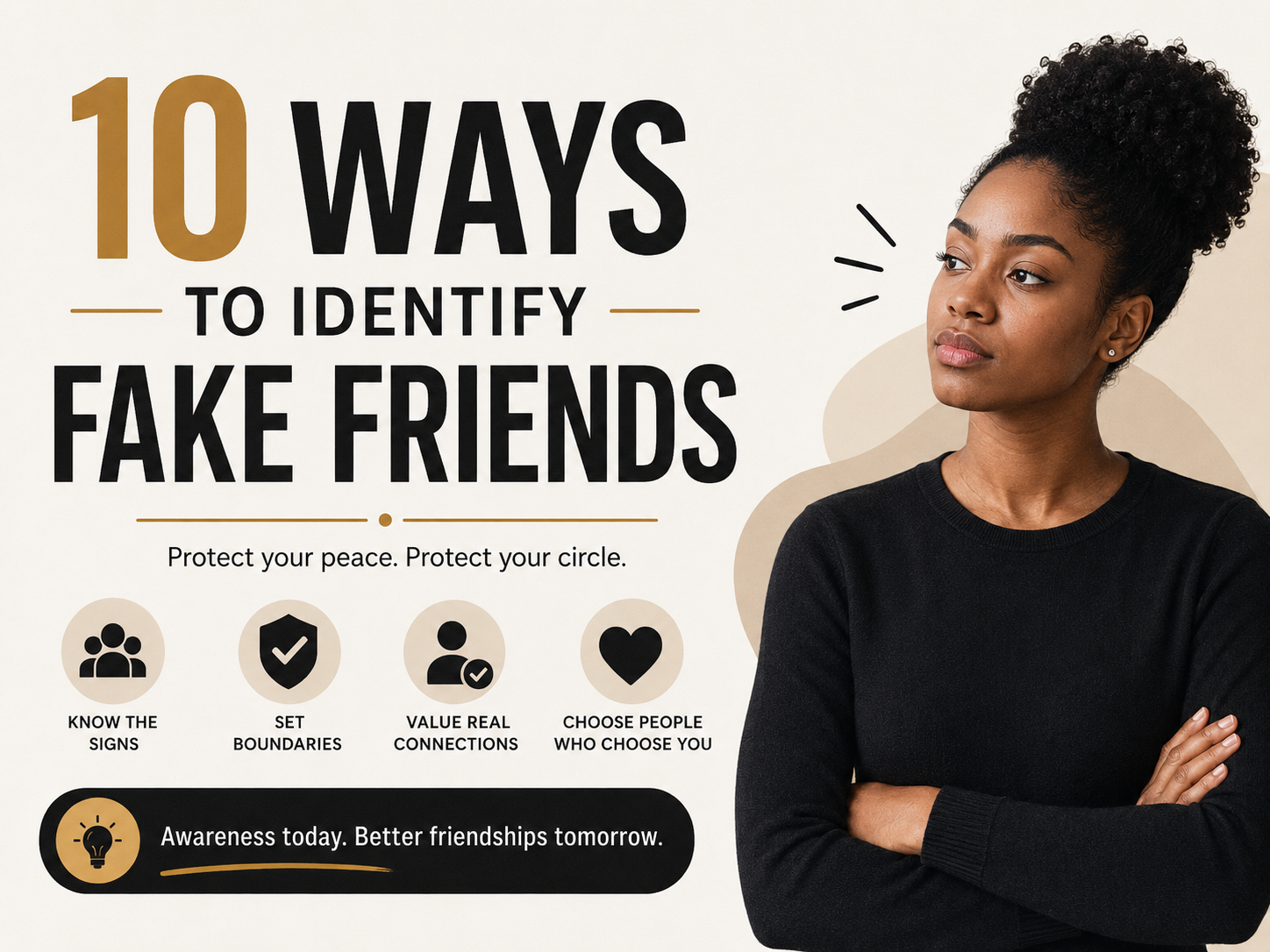
Friendship is one of the most important parts of life. True friends can support you during difficult times, encourage your growth, celebrate your achievements, and make life more meaningful. Good friendships bring peace, trust, loyalty, and emotional comfort. However, not everyone who smiles with you or spends time around you is genuinely your friend. Some people pretend to care while secretly using, manipulating, envying, or disrespecting you. These are often called fake friends. Fake friendships can be emotionally draining because the relationship may appear healthy on the surface while slowly damaging your confidence, happiness, and peace of mind.
One of the hardest things about fake friends is that they are not always easy to identify at first. Many fake friends act supportive only when it benefits them. Some remain close during good times but disappear during difficult moments. Others secretly compete with you, gossip about you, or take advantage of your kindness while pretending to be loyal. Learning how to recognize fake friends is important because the wrong people can negatively influence your mental health, decisions, finances, relationships, and personal growth. Below are ten unmistakable signs that can help you identify fake friends and protect yourself from unhealthy relationships.
1. They Only Contact You When They Need Something
One major sign of a fake friend is that they only reach out when they need help, favors, money, attention, or support. They rarely check on your well-being unless there is something they want from you. The friendship becomes one-sided because you constantly give while they mostly take. Genuine friends care about you even when they do not need anything from you.

For example, imagine someone who ignores your messages for weeks but suddenly becomes very friendly when they need financial assistance, transportation, or emotional support. Once their problem is solved, they disappear again until the next time they need help. Over time, you may realize that most conversations revolve around their needs rather than mutual care and support. Healthy friendships involve balance, not constant exploitation.
2. They Secretly Compete With You
Fake friends often struggle to genuinely celebrate your success because they secretly compare themselves to you. Instead of being happy for your achievements, they feel threatened, jealous, or insecure. They may pretend to support you outwardly while internally hoping you fail or remain below them.

For instance, imagine getting promoted at work or starting a successful business. A true friend would sincerely celebrate your progress and encourage you. A fake friend, however, may respond with backhanded compliments like, “You just got lucky,” or “Let’s see how long it lasts.” They may also quickly shift attention back to themselves whenever you achieve something positive. Hidden competition is one of the clearest signs of unhealthy friendship.
3. They Gossip About Other People Constantly
People who constantly gossip about others will likely gossip about you too. Fake friends often enjoy spreading rumors, exposing secrets, criticizing people behind their backs, or creating unnecessary drama. While gossip may seem entertaining at first, it usually reveals a lack of loyalty and emotional maturity.

For example, you may notice that a friend frequently tells you private information about mutual friends or coworkers. They laugh at other people’s mistakes and enjoy discussing personal problems that were shared confidentially. Eventually, you may discover they speak negatively about you in the same way whenever you are absent. Trustworthy friends protect your reputation instead of using your private matters for entertainment.
4. They Disappear During Difficult Times
One of the biggest tests of friendship is how people behave during your struggles. Fake friends often vanish when life becomes difficult because they only enjoy relationships that are convenient or beneficial. They may be present during celebrations, parties, and success but suddenly become unavailable during hardship.

For example, imagine losing your job, experiencing financial difficulties, or going through emotional stress. A genuine friend checks on you, offers support, and stays present even when things are uncomfortable. A fake friend, however, may avoid your calls, ignore your messages, or disappear completely until your situation improves. Difficult times often reveal who truly cares about you.
5. They Make You Feel Bad About Yourself
Real friends encourage growth, confidence, and emotional well-being. Fake friends, however, often make subtle comments that damage your self-esteem. They may mock your dreams, criticize your appearance, downplay your achievements, or make hurtful jokes at your expense.

For example, if you share an exciting goal such as starting a business or returning to school, a fake friend might respond negatively by saying things like, “You really think you can do that?” or “People like us don’t succeed in those things.” Instead of motivating you, they discourage your growth because your progress makes them uncomfortable. Healthy friendships should leave you feeling supported rather than emotionally drained.
6. They Are Friendly in Public but Different in Private
Fake friends often behave differently depending on who is watching. In public, they may act supportive, kind, and loyal to maintain appearances. In private, however, they become dismissive, disrespectful, jealous, or manipulative. Their behavior changes because the friendship is more about image than genuine care.

For instance, a fake friend may praise you around other people but privately insult or belittle you later. They may also ignore you when influential people are around because they want social approval from others more than they value your friendship. Consistency matters in healthy relationships. Genuine friends treat you with respect both publicly and privately.
7. They Never Truly Support Your Growth
Another unmistakable sign of fake friends is that they become uncomfortable when you start improving your life. Personal growth can expose unhealthy people because your progress reminds them of their own lack of effort or ambition. Instead of supporting your development, they may try to hold you back.

For example, imagine you decide to focus on fitness, education, business, or personal discipline. A fake friend may mock your new habits, tempt you into distractions, or complain that you are “changing too much.” Meanwhile, true friends encourage positive transformation because they genuinely want to see you succeed. People who truly care about you will not feel threatened by your improvement.
8. They Rarely Keep Their Promises
Reliability is an important part of genuine friendship. Fake friends often make promises they never intend to keep. They may repeatedly cancel plans, ignore commitments, or disappear whenever responsibility is involved. Over time, their words stop matching their actions.

For example, a fake friend may constantly promise to support your projects, attend important events, or help during difficult situations, yet they repeatedly fail to follow through. When confronted, they usually offer excuses instead of accountability. A true friend may not be perfect, but they consistently make an effort to be dependable and honest.
9. They Use You for Convenience
Some fake friendships exist mainly because one person benefits from the relationship. These individuals may use you for money, social connections, transportation, emotional labor, business opportunities, or access to resources. Once the benefit disappears, their interest in the friendship fades quickly.

For example, imagine someone who constantly invites themselves into your life whenever you are financially stable or socially useful. They may expect you to pay for outings, solve their problems, or introduce them to influential people. However, when you need support in return, they suddenly become unavailable. Genuine friendships involve mutual care, not constant convenience-based interactions.
10. Your Intuition Constantly Warns You
Sometimes the clearest sign of a fake friend is your own intuition. Deep down, you may consistently feel uncomfortable, emotionally drained, disrespected, or anxious around certain people even when you cannot fully explain why. Your instincts often notice unhealthy behavior before your mind consciously accepts it.

For example, you may leave conversations feeling emotionally exhausted or constantly question whether someone truly cares about you. You may notice patterns of manipulation, dishonesty, jealousy, or emotional inconsistency. While nobody should judge others unfairly, repeatedly ignoring warning signs can lead to emotional pain later. Paying attention to how people consistently make you feel can help you avoid toxic relationships.
How to Deal With Fake Friends
Recognizing fake friends is important, but knowing how to respond is equally necessary. One helpful step is setting healthy boundaries. Stop overextending yourself for people who consistently take advantage of your kindness. Learn to say no without guilt and protect your emotional energy. Boundaries help reveal who truly respects and values you.

It is also important to gradually distance yourself from unhealthy relationships rather than constantly trying to change people who do not genuinely care about you. Not every friendship is meant to last forever. Some people are only temporary parts of your journey. Focus more on building relationships with individuals who demonstrate honesty, loyalty, encouragement, and mutual respect through consistent actions.
Most importantly, do not allow fake friendships to make you bitter or distrustful toward everyone. Genuine friends still exist. Healthy relationships are built on trust, honesty, support, communication, and emotional safety. Sometimes losing fake friends creates space for better people to enter your life.
Finally
Fake friends can be difficult to identify because they often hide their true intentions behind smiles, compliments, and temporary kindness. However, their behavior eventually reveals their character. People who only contact you when they need something, secretly compete with you, gossip constantly, disappear during hard times, or make you feel bad about yourself are usually not genuine friends.
Learning to recognize unhealthy friendships can protect your peace, confidence, emotional health, and future growth. True friends support your success, respect your boundaries, encourage your dreams, and remain loyal during both good and difficult times. At the end of the day, having a few loyal friends is far more valuable than surrounding yourself with many fake ones.
Share this content:













Post Comment