








How to Detect Lies/Deception Through Facial Expression
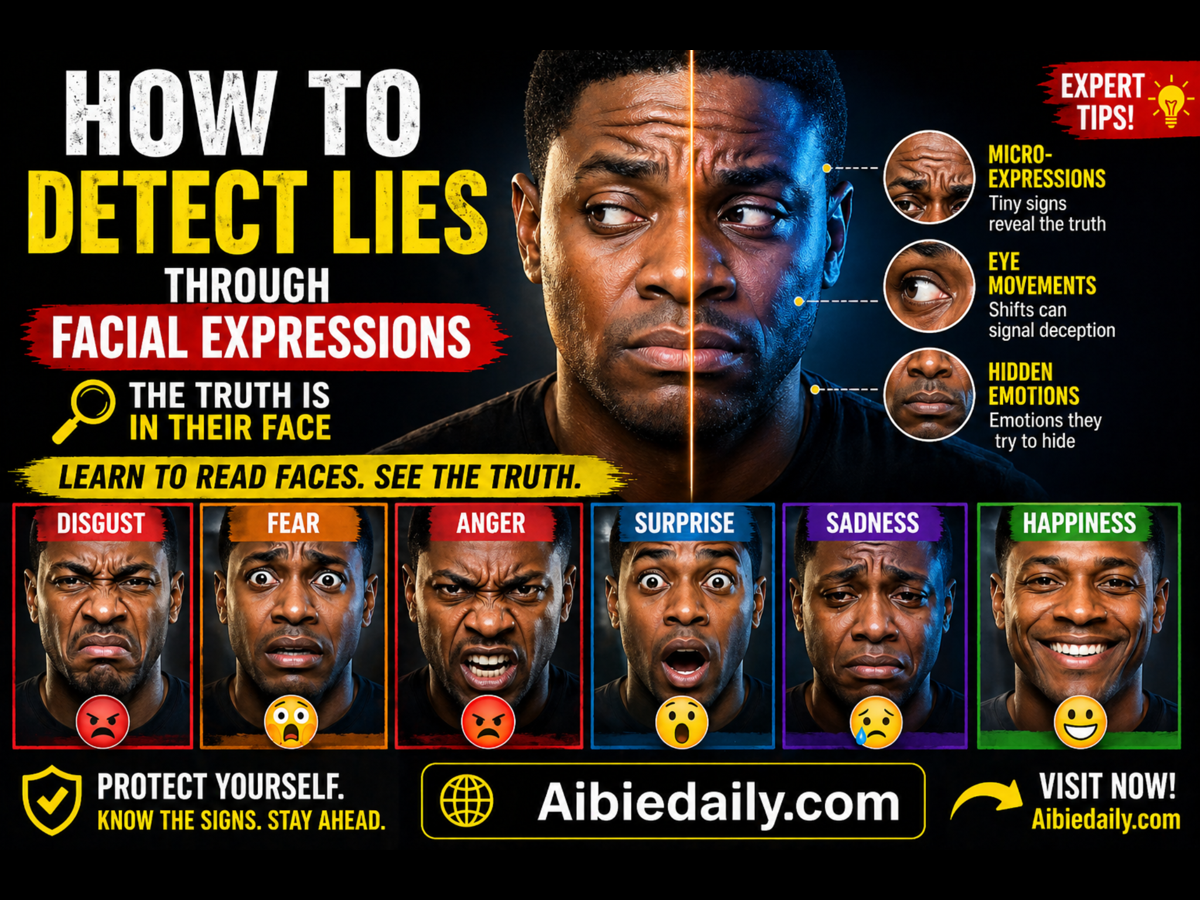
What if you could tell when someone is lying—without them saying a word? Imagine being able to spot the truth just by watching a person’s face for a split second. The reality is, people often think they can hide their feelings, but their face tells a different story. From a quick flicker of emotion to a forced smile that doesn’t reach the eyes, the human face reveals more than we realize. In this article, you’ll discover how to read these subtle signals and uncover what people might be trying to hide—using nothing but their facial expressions.

Facial expressions are one of the most powerful tools for detecting deception because the face is closely connected to our emotional brain. Even when someone is trying to hide the truth, their facial muscles often reveal subtle clues about what they are really feeling. From a psychological perspective, this happens because emotions are processed automatically, while lying requires conscious effort. That gap—between what is felt and what is being said—is where facial expressions become useful.
Let’s break this down in a simple and practical way, with clear examples you can easily recognize in real life.
What Are Facial Expressions in Lie Detection?
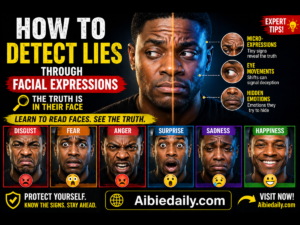
Facial expressions are the movements of facial muscles that reflect emotions such as happiness, anger, fear, surprise, or disgust. When someone is telling the truth, their facial expressions usually match their words. But when they are lying, there may be inconsistencies—what they say doesn’t align with what their face briefly shows. People can control their words more easily than they can fully control their facial reactions.
Facial expression can be observed in different forms such as:
- Micro expression(The hidden truth)
- Forced vs Genuine Smiles
- Facial Inconsistency (Mismatch Between Words and Expression)
- Delayed or Overdone Expressions
- Eye Behavior and Subtle Facial Tension
1. Micro-Expressions:

You must understand that people are actors and the faces you see around you are like mask, micro-expressions are what reveal the true feelings of people during speech, discussion or in the moment of silence. Micro-expressions, often called the hidden facial truth, are extremely brief facial expressions that flash across a person’s face in less than a second, usually before they have time to consciously control or hide them.
These expressions are involuntary, meaning they happen automatically and the person may not even be aware they showed them. Because they occur so quickly, they can reveal genuine emotions such as anger, fear, surprise, or disgust that someone might be trying to conceal.

A person might say or act as if they are happy, but a split-second look of irritation appears on their face, exposing what they truly feel underneath. I have watched several videos of wedding ceremony where bride maid’s micro expression was caught on camera revealing anger and disgust toward the bride rather than happiness and joy is overtly display.
Example:
Imagine you tell your friend: “I just got promoted at work.” They respond with:
“That’s amazing, I’m really happy for you!” But for a split second, you notice A slight eye roll, A tight lip movement and A flash of irritation That brief reaction may indicate jealousy or resentment, even though their words say otherwise. Micro-expressions are hard to fake because they happen before a person has time to control their face. They can reveal Hidden anger, Discomfort, Fear, Disgust and Sexual arousal
2. Forced vs Genuine Smiles
One of the easiest facial expressions to analyze is a smile, but it’s important to understand that not all smiles are genuine. A real smile involves both the mouth and the eyes—the corners of the lips rise naturally while the eyes slightly squint, often creating small lines known as crow’s feet, giving the face a warm and relaxed appearance.


In contrast, a fake smile usually involves only the mouth, while the eyes remain neutral, tense, or unchanged. It may look stiff, overly controlled, or even “too perfect,” making it feel unnatural. For example, someone might smile politely during a conversation, but their eyes show no real emotion, suggesting the smile is not sincere.
Example:
You ask someone: “Did you enjoy the event?” They say: “Yes, it was great!” But their smile disappears quickly, doesn’t reach their eyes and looks stiff. This could suggest they didn’t actually enjoy it. Genuine emotions activate multiple facial muscles automatically. Fake emotions require conscious effort, which often looks unnatural.
3. Facial Inconsistency (Mismatch Between Words and Expression)
Facial inconsistency, or a mismatch between words and expression, occurs when what a person says does not align with what their face is showing. For example, someone might say, “I am happy,” yet their facial muscles appear tense, their eyebrows are drawn together, or their lips are tight, all of which can signal anger or frustration.

This kind of mismatch often happens because people focus on controlling their words but cannot fully control their natural emotional reactions. As a result, their true feelings may briefly show on their face, creating a noticeable contradiction between their verbal message and their nonverbal expression.
Example:
Someone says: “I’m not angry at all.” But their face shows tight lips, furrowed eyebrows and a tense jaw. This mismatch is a strong indicator that their emotional state does not align with their words.
Another example:
A person says: “I trust you completely.” But their face briefly shows doubt, suspicion. When people lie, they focus more on controlling their words than their expressions. This creates a disconnect between verbal and nonverbal communication.
4. Delayed or Overdone Expressions
Delayed or overdone expressions occur when a person’s facial reactions do not match the natural timing or intensity of what they are saying. When someone is being genuine, their facial expressions usually appear immediately and flow naturally with their words. However, when someone is not being fully truthful, their expression may come a little too late, as if they had to think about how to react.

In other cases, the expression may be exaggerated or overly dramatic, making it feel unnatural or forced. For example, someone might pause briefly before showing surprise, or display an exaggerated smile that seems out of place, suggesting they are trying too hard to appear convincing rather than reacting genuinely.
Example of delayed expression:
You give someone surprising news.
A truthful reaction: Immediate expression of shock or excitement. A possible deceptive reaction: A pause… then an exaggerated “Wow!”
Example exaggerated expression:
Someone says: “I’m so happy for you!” But their expression is overly dramatic—wide eyes, big smile and exaggerated tone. This can feel unnatural because they are trying too hard to convince you. It said any surprise expression that last more two seconds is fake.
5. Eye Behavior and Subtle Facial Tension
Eye behavior and subtle facial tension reveal a lot about what a person is truly feeling because the eyes are directly connected to emotional responses in the brain. When someone experiences stress, fear, or discomfort, it often shows through small, involuntary changes such as rapid blinking, avoiding eye contact, or unusually intense staring. At the same time, subtle facial tension—like tightened eyelids, slight squinting, or stiffness around the eyes—can signal that a person is uneasy or trying to control their emotions.

These reactions are usually automatic, which makes them useful clues in understanding whether someone is relaxed and genuine or possibly hiding something. Signs to watch: Rapid blinking (stress or anxiety), Avoiding eye contact (possible discomfort), Holding eye contact too long (overcompensation) and Pupil dilation (emotional arousal)
Example:
You ask a direct question: “Did you take the money?” The person blinks rapidly (Reckless eye movement), looks away and tightens their facial muscles. This could indicate nervousness or stress related to the question.
Eye behavior alone does not prove lying—some people naturally avoid eye contact or get nervous easily and it’s easy to misinterpret facial expressions if you look at them in isolation. For example, someone might look tense because they’re tired; not lying and a person may avoid eye contact due to shyness, not deception.
When reading facial expression you must look for patterns, not single signs compare behavior to the person’s normal baseline and consider the situation and context
Important Reminder: Context Is Everything
Facial expressions are a powerful tool in lie detection because they often reveal what words try to hide. Micro-expressions, fake smiles, mismatched emotions, delayed reactions, and eye behavior can all provide clues about a person’s true feelings.
However, No single facial expression can prove someone is lying. The real skill lies in observing consistency, patterns and emotional alignment. When you combine facial expressions with other cues like body language and speech patterns, you gain a much clearer understanding of what someone might truly be feeling.
In everyday life, this awareness doesn’t just help you detect lies—it helps you understand people better, communicate more effectively, and respond with greater emotional intelligence.
Share this content:









Post Comment