








How to Detect lies Through Tone of Voice (6 Powerful Signs to Watch)

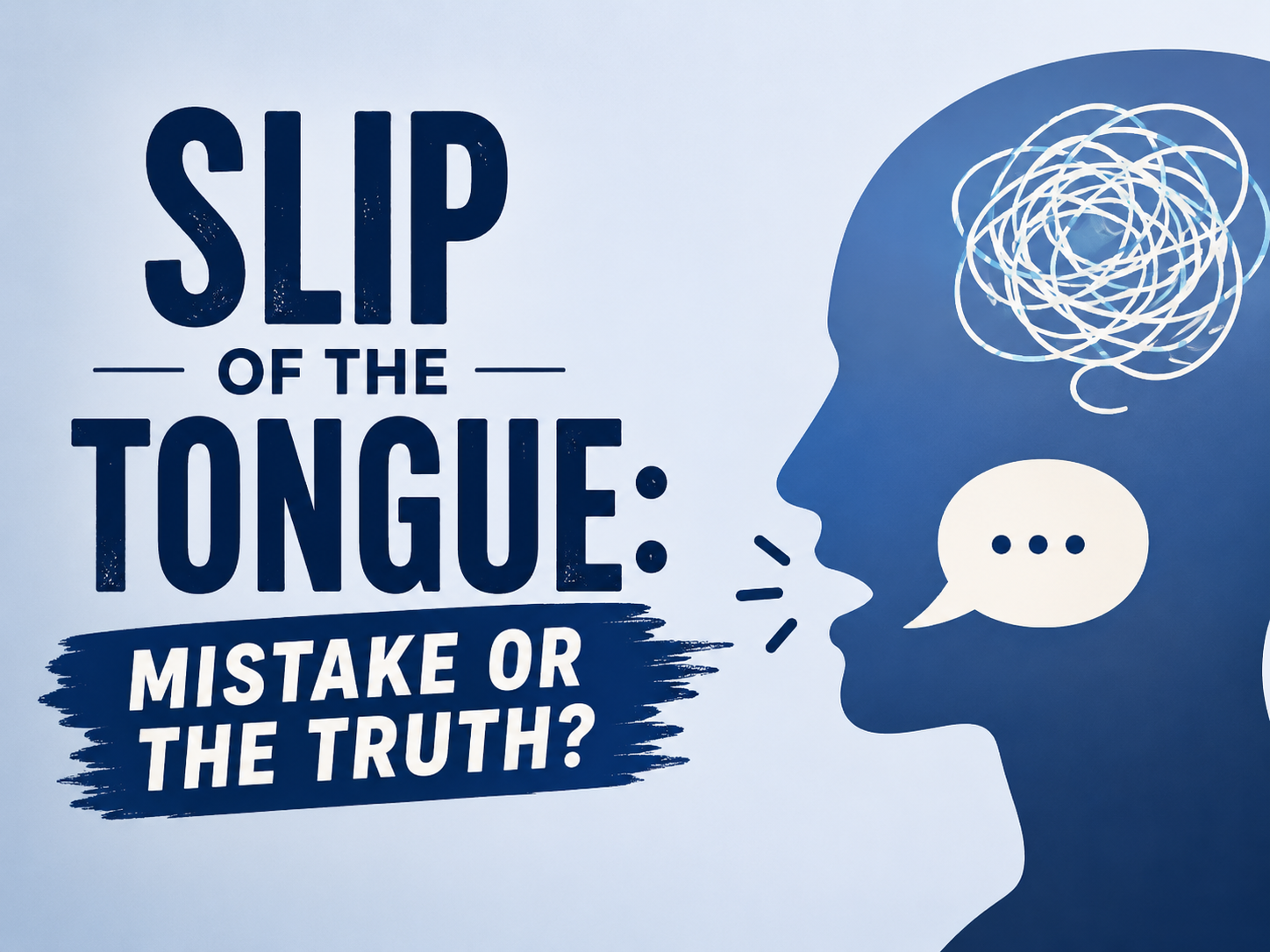
Tone of voice refers to how something is said, not just the words themselves. It includes pitch (how high or low the voice is), speed of speech, pauses, volume, and emotional expression. From a psychological perspective, tone of voice is closely linked to a person’s emotional state.
When people tell the truth, their tone usually sounds natural, relaxed, and consistent. But when someone lies, they often experience stress, anxiety, or mental pressure, and this can subtly affect how their voice sounds.
However, just like other body language cues, tone of voice alone cannot prove someone is lying—it simply provides clues that should be interpreted carefully.
1. Changes in Pitch (Voice Becomes Higher or Lower)
Changes in pitch are one of the subtle ways the body reacts when a person is not being completely honest. When someone lies, their body can become tense or anxious, and this affects the voice. For some people, their voice becomes higher because their throat muscles tighten under stress. For others, their voice may drop lower or sound strained. This change usually happens suddenly and may not match how they normally speak.
For example, if someone is answering a simple question and their voice suddenly becomes shaky, unusually high, or deeper than normal, it could be a sign of discomfort or pressure. However, it’s important not to rely on this sign alone, because changes in pitch can also be caused by nervousness, fear, or excitement. The best way to detect possible dishonesty is to look for this sign along with other behaviors like body language, facial expressions, and inconsistencies in what the person is saying.
What it looks (or sounds) like: voice becomes higher than usual, sometimes slightly shaky and less steady than normal
Example:
You ask someone: “Did you take the money?” They respond: “No, I didn’t,” but their voice suddenly sounds higher or strained compared to how they usually speak. Stress can tighten the vocal cords, which may cause the voice to rise. This doesn’t always mean lying—it could also mean nervousness—but it becomes more meaningful if it happens at specific moments.
2. Unusual Pauses or Delays Before Answering
Unusual pauses or delays before answering can be a sign that someone is not being completely truthful. When a person is telling the truth, their answers usually come naturally and quickly because they are recalling real events. However, when someone is lying, they often need extra time to think about what to say, how to say it, and how to make their story sound believable. This mental effort can cause noticeable pauses, hesitation, or even repeated filler words like “um” or “uh.”
For example, if you ask a simple question like “Where were you yesterday?” and the person takes a long pause before answering, it could mean they are trying to create a response instead of recalling a real memory. However, it’s important to be careful when judging this sign. People may also pause because they are nervous, tired, or trying to remember details. That’s why unusual delays should be observed alongside other signs like body language, tone of voice, and inconsistencies in their story before concluding that someone might be lying.
What it sounds like: long pauses before answering, hesitation (e.g., “uh…”, “um…”) and or delayed responses to simple questions
Example:
You ask: “Were you at home last night?” Instead of answering quickly, the person says:
“Uh… yeah… I was at home.” Truthful answers usually come naturally. Lying requires creating, a story, making it believable and checking for consistency. This extra thinking time often shows up as hesitation.
3. Speaking Too Fast or Too Slow
Changes in speaking speed can be a useful clue when trying to detect possible dishonesty. When people feel nervous or uncomfortable, their normal way of speaking often changes without them realizing it. Some people begin to speak much faster because they want to get through the lie quickly or avoid being questioned further. Others may slow down their speech because they are carefully thinking about each word to make sure their story sounds believable and consistent.
For example, if someone usually speaks at a steady pace but suddenly starts rushing through their words or, on the other hand, begins speaking very slowly with long gaps between sentences, it may signal discomfort. However, this sign should not be judged on its own. People can also change their speaking speed due to stress, fear, or excitement. To better understand the situation, it’s important to look for other signs like nervous body movements, changes in tone, or inconsistencies in what they are saying.
Fast speech: Some people talk quickly when lying because they want to:
- Get the lie over with
- Avoid being questioned further
Slow speech: Others speak slowly because they are:
- Carefully choosing their words
- Trying not to make mistakes
Example:
You ask a simple question: “Did you finish the work?” A natural response: “Yes, I finished it.” A suspicious response: “Yes… I… finished… it,” or “Yes, yes, yes! I finished everything, completely!” Any sudden change from a person’s normal speaking speed can be meaningful.
4. Lack of Emotion or Overacting Emotion
Lack of emotion or overacting emotion can be a noticeable sign when someone may not be telling the truth. Normally, when people speak honestly, their tone of voice naturally matches what they are saying. For example, if someone is talking about a sad event, their voice usually sounds calm or low. But when someone is lying, their emotional expression may not match the situation. They might sound flat and emotionless, as if they are just repeating words without truly feeling them.
On the other hand, some people may do the opposite and exaggerate their emotions to appear convincing. They may sound overly dramatic, too excited, or too defensive, which can feel unnatural. For example, someone might raise their voice too much or try too hard to sound emotional when explaining something simple. However, it’s important not to rely on this sign alone, because people express emotions differently. The best approach is to observe whether their tone matches their words and look for other signs like facial expressions and body language before making any conclusion.
Lack of emotion: The voice sounds flat or emotionless.
Example:
Someone says: “I’m really happy for you,” but their tone sounds dull and uninterested. The voice sounds exaggerated or forced.
Example:
“I’m SO happy for you!” (said too loudly or dramatically) When lying, people may either suppress emotion too much, or exaggerate emotion to sound convincing. Both can feel unnatural.
5. Voice Cracks or Nervous Sounds
Voice cracks or nervous sounds can be a subtle sign of stress when someone is not being completely honest. When a person lies, their body often reacts with tension and anxiety, even if they try to appear calm. This tension can affect the voice, causing small disruptions like cracking, shaking, or sudden changes in tone. You might also notice nervous sounds such as throat clearing, stammering, or repeating words. These reactions happen because the person is under pressure while trying to control their story.
For example, if someone is answering a simple question and their voice suddenly breaks or they keep clearing their throat, it could indicate discomfort. However, it’s important to be careful when interpreting this sign. Voice cracks and nervous sounds can also happen when someone is tired, anxious, or not feeling well. That’s why this sign should not be used alone to judge honesty. It becomes more meaningful when observed together with other clues like unusual pauses, body language, and inconsistent statements.
What it sounds like: voice cracking, dry throat (frequent swallowing), and clearing the throat often
Example:
During questioning, a person clears their throat repeatedly or speaks with a slightly shaky voice. Anxiety activates the body’s stress response, which can affect breathing and vocal control.
6. Inconsistency Between Words and Tone
Inconsistency between words and tone is one of the clearest signs that something may not be right. When people speak honestly, their tone of voice usually matches what they are saying. For example, if someone is talking about a happy experience, their voice naturally sounds lively or cheerful. But when a person is lying, their tone may not align with their words. They might say something positive while sounding cold, flat, or even slightly tense, which creates a sense that something is off.
For instance, if someone says, “I’m really happy for you,” but their voice sounds dull or forced, it can raise suspicion. This mismatch happens because it is difficult to control both words and emotions at the same time, especially under pressure. However, it is important not to jump to conclusions based on this sign alone. People may also have mismatched tone due to stress, mood, or personality differences. To better understand the situation, this sign should be observed along with other cues like facial expressions, body language, and consistency in their story.
Example:
Someone says: “I didn’t do it,” but their tone sounds uncertain or defensive. Or: “I trust you,” but the tone sounds doubtful or cold. When people lie, they may focus more on choosing the right words than matching the emotional tone. This creates a mismatch.
Final Thoughts
Tone of voice is a powerful tool in understanding what someone might truly be feeling. It can reveal nervousness, stress, uncertainty and emotional mismatch. But the most important rule is tone of voice alone cannot prove someone is lying. To use it effectively compare with the person’s normal speaking style, Look for sudden changes and combine with other cues like body language and facial expressions
By paying attention to how something is said—not just what is said—you gain a deeper understanding of communication and can better detect when something doesn’t quite add up.
Share this content:














Post Comment