








Why Relationships Feel Good at First but Become Harder Later
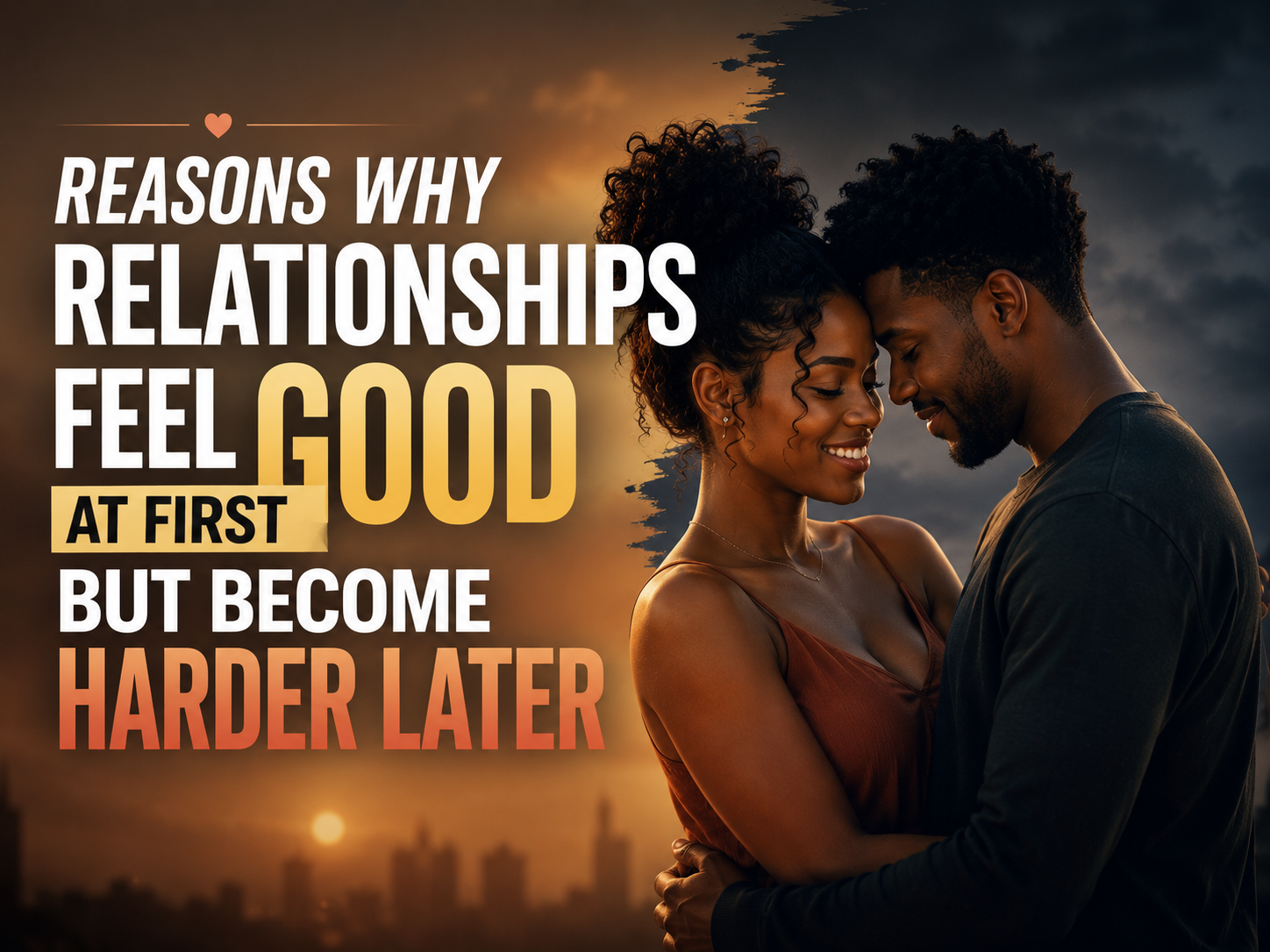
Relationships often begin with excitement, passion, curiosity, and emotional connection. In the early stages, everything feels fresh and effortless. Couples enjoy spending time together, conversations flow naturally, affection feels intense, and both people usually try their best to impress each other. Many people describe the beginning of a relationship as magical because emotions are high and problems seem small or nonexistent. During this phase, partners often focus more on similarities than differences, making the relationship feel peaceful and emotionally rewarding.
However, as time passes, many relationships become more difficult. Arguments may increase, emotional distance may develop, misunderstandings become more common, and the excitement that once existed may slowly fade. This does not always mean the relationship is doomed. In many cases, relationships become harder because reality gradually replaces fantasy. Long-term relationships require emotional maturity, communication, patience, sacrifice, and consistent effort. Understanding why relationships change over time can help people build healthier and stronger connections instead of becoming discouraged when challenges appear. Below are seven important reasons why relationships often feel amazing at first but become harder later.
1. The Excitement of Newness Eventually Fades

One major reason relationships feel easier in the beginning is because everything is new and exciting. During the early stages, people experience strong emotional attraction, curiosity, and anticipation. Small moments feel special because both individuals are discovering each other for the first time. Even ordinary activities like texting, phone calls, dates, or simple compliments can create excitement. This phase is often influenced by powerful emotions and chemical reactions in the brain that create feelings of happiness and attachment.
Over time, however, familiarity replaces novelty. People become used to each other’s habits, routines, personalities, and behaviors. What once felt exciting may start feeling normal. For example, in the beginning, receiving a good morning message may feel romantic and thrilling. After several years, the same gesture may no longer create the same emotional excitement because it has become routine. Some couples mistakenly interpret this natural transition as “falling out of love,” when in reality the relationship is simply moving from emotional excitement into a deeper stage that requires intentional effort to maintain connection.
2. People Stop Showing Their Best Behavior

At the beginning of relationships, most people naturally try to present the best version of themselves. They are usually more patient, understanding, attractive, polite, and emotionally controlled. People often avoid behaviors that may create conflict because they want to impress their partner and maintain attraction. During this stage, flaws are often hidden or minimized.
As the relationship becomes more comfortable, people gradually relax and reveal their true habits, weaknesses, attitudes, and emotional patterns. For example, someone who appeared extremely calm and patient during dating may later reveal anger issues, poor communication skills, jealousy, laziness, or emotional immaturity. Likewise, a partner who seemed highly attentive at first may later become less affectionate or emotionally distant. This change can create disappointment because the relationship no longer matches the ideal image created during the early stages. Long-term relationships become difficult when people struggle to accept each other’s imperfections realistically.
3. Unrealistic Expectations Begin to Create Pressure

Many relationships become difficult because people enter them with unrealistic expectations influenced by movies, social media, fantasies, or emotional excitement. During the beginning, partners may believe love should always feel effortless, exciting, and perfect. They may expect their partner to constantly make them happy, understand them completely, or meet all emotional needs automatically.
Over time, reality begins to challenge these expectations. For example, one partner may expect constant attention and romance while the other becomes busy with work, responsibilities, or stress. Another person may expect their partner to always understand their feelings without communication. When expectations remain unrealistic, disappointment grows easily. Healthy relationships require understanding that no relationship is perfect all the time. Love involves disagreements, stress, misunderstandings, and emotional ups and downs. Couples who learn to manage realistic expectations usually build stronger long-term relationships.
4. Communication Problems Become More Noticeable

In the early stages of relationships, communication often feels easier because both people are emotionally motivated to connect. They listen carefully, ask questions, and try to avoid unnecessary conflict. However, as time passes, communication problems often become more visible. Small misunderstandings that were ignored initially may grow into major recurring issues later.
For example, one partner may prefer discussing problems immediately while the other avoids confrontation completely. One person may communicate emotionally while the other communicates logically, creating frustration during disagreements. Over time, repeated poor communication can create resentment, emotional distance, and unresolved tension. Couples may begin feeling unheard, misunderstood, or emotionally neglected. This is why communication is considered one of the most important foundations of healthy relationships. Relationships become harder when partners stop listening, stop expressing themselves honestly, or assume the other person should automatically understand their feelings.
to read more communication in relationship please go tohttps://aibiedaily.com/why-men-dont-communicate-with-the-woman-they-love/
5. Real-Life Responsibilities Begin to Affect the Relationship

At the beginning of relationships, couples often focus mainly on enjoyment, romance, and emotional connection. They may spend most of their time having fun together without facing major responsibilities. However, long-term relationships eventually encounter real-life pressures such as financial problems, work stress, family obligations, parenting responsibilities, health challenges, or career struggles.
For example, a couple may feel deeply connected while dating casually, but after marriage they may begin struggling with bills, rent, children, or career pressure. Stress from external responsibilities can reduce emotional energy and patience within the relationship. A partner who once seemed romantic and carefree may become emotionally exhausted due to financial stress or work pressure. These responsibilities do not automatically destroy relationships, but they test emotional maturity, teamwork, and problem-solving abilities. Strong couples learn how to face external stress together instead of turning against each other.
6. Emotional Effort Often Decreases Over Time

Another reason relationships become harder later is because people sometimes stop putting in the same effort they showed at the beginning. Early in relationships, individuals usually prioritize affection, attention, communication, appearance, and emotional connection. They actively invest energy into maintaining attraction and excitement.
As comfort increases, some people become complacent. They may stop planning meaningful conversations, neglect emotional intimacy, reduce affection, or take their partner for granted. For example, someone who frequently expressed appreciation and affection during dating may later become emotionally unavailable or inattentive. Over time, the relationship can start feeling emotionally empty even if both people still care about each other. Healthy relationships require continuous effort, not just initial attraction. Love often survives not because feelings remain intense forever, but because both partners intentionally continue nurturing the connection.
7. Differences Become Harder to Ignore

During the early stages of relationships, emotional attraction often causes people to overlook important differences in personality, values, priorities, communication styles, goals, or lifestyles. Couples may focus heavily on shared chemistry while minimizing areas of incompatibility. Unfortunately, these differences usually become more noticeable over time.
For example, one partner may value financial discipline while the other spends recklessly. One person may desire marriage and children while the other prefers independence and freedom. One may prioritize family involvement while the other prefers privacy and distance. Initially, these differences may seem manageable because emotions are strong. However, as the relationship becomes more serious, unresolved incompatibilities can create major conflict. Long-term relationship success often depends not only on attraction but also on compatibility, shared values, and mutual understanding.
How Healthy Couples Overcome These Challenges

Although relationships naturally become more complex over time, difficulty does not automatically mean failure. In fact, many strong and lasting relationships become healthier after moving beyond the early excitement stage. Successful couples understand that long-term love requires growth, communication, patience, and intentional effort.
One important solution is maintaining open and honest communication. Couples who discuss problems calmly instead of avoiding them usually build stronger emotional trust. Honest communication helps prevent misunderstandings from becoming long-term resentment. It also allows partners to understand each other’s emotional needs, fears, expectations, and frustrations more clearly.
Another important factor is continuing to invest emotionally in the relationship. Small consistent actions such as appreciation, affection, quality time, listening, and emotional support help maintain connection over time. Relationships often weaken when people assume love will survive automatically without effort. Just like physical health or financial success, relationships require ongoing maintenance and attention.
Healthy couples also learn how to handle conflict maturely. Disagreements are normal in every relationship. The goal is not to avoid conflict completely but to manage it respectfully. Insults, manipulation, emotional withdrawal, and constant blame usually damage relationships over time. Mature couples focus on solving problems together instead of trying to “win” arguments against each other.
Patience and emotional maturity are equally important. Nobody remains emotionally perfect at all times. There will be stressful seasons, emotional struggles, disappointments, and personal growth challenges. Long-term relationships survive when both individuals learn how to support each other realistically rather than expecting perfection constantly.
Finally
Relationships often feel wonderful at the beginning because of emotional excitement, attraction, curiosity, and idealized expectations. During the early stages, both people usually focus on positive emotions while minimizing flaws and challenges. However, as time passes, reality gradually replaces fantasy. Familiarity increases, responsibilities grow, differences become more visible, and emotional effort may decline. These changes can make relationships feel more difficult than they did initially.
However, relationship difficulty is not always a sign that love has disappeared. In many cases, it simply means the relationship is entering a deeper and more realistic stage that requires maturity, communication, consistency, patience, and teamwork. Strong relationships are not built only on excitement and attraction. They are built through trust, understanding, sacrifice, emotional safety, and continuous effort over time.
The truth is that healthy long-term relationships are not maintained by feelings alone. They survive because both people intentionally choose to keep loving, respecting, understanding, and supporting each other even after the early excitement fades.
Share this content:













Post Comment