








How to Detect Lies/Deception Through Body Posture
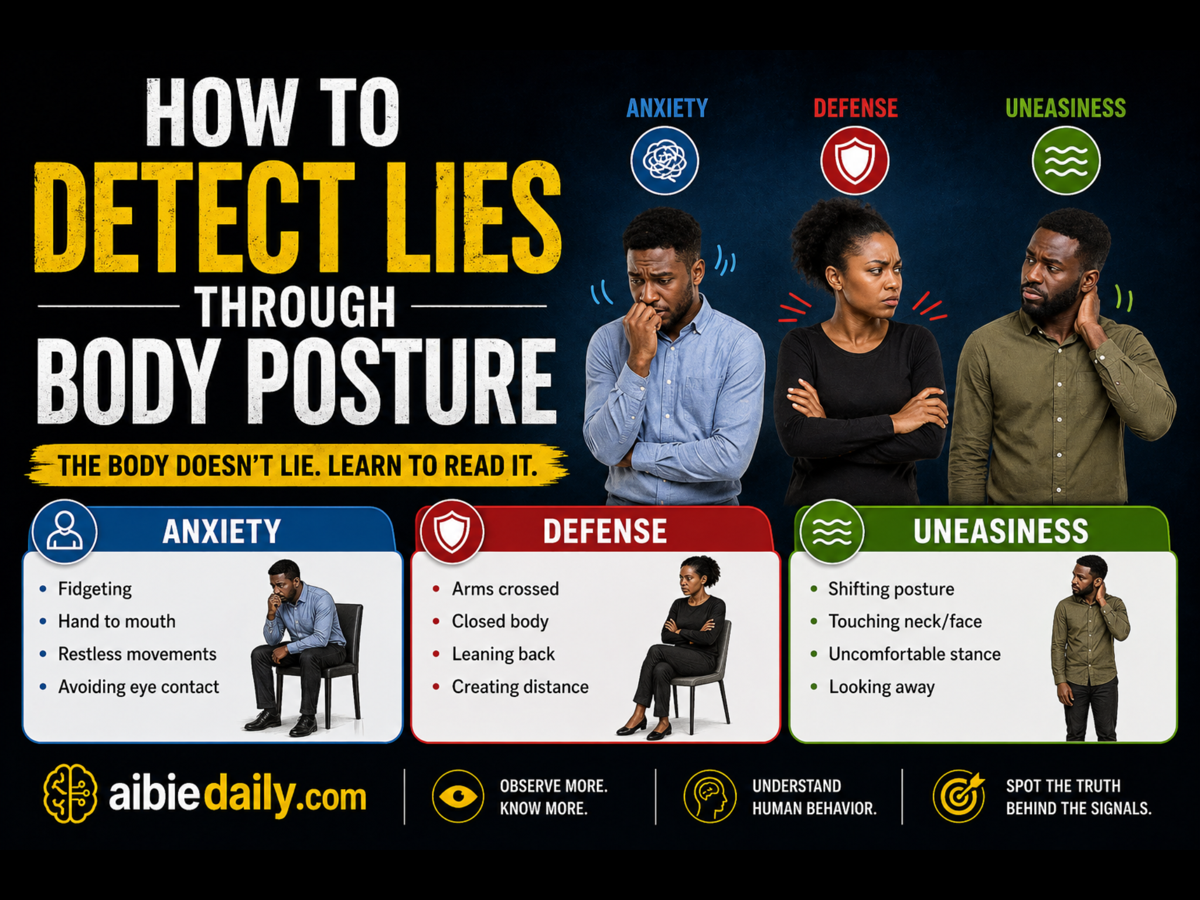
Posture refers to how a person positions and carries their body—whether they are sitting, standing, leaning forward, leaning back, or turning away. In conversations, posture can reveal a lot about a person’s internal state because it is often influenced by subconscious emotions.
From a psychological perspective, when people lie, they may experience stress, discomfort, or cognitive strain. These internal feelings can subtly affect how they position their body. However, like all body language, posture should never be used alone to conclude that someone is lying—it must be observed alongside other behaviors.
1. Closed or Defensive Posture
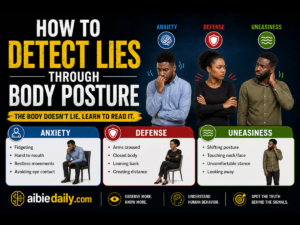
A closed or defensive posture is one of the most common body language signs people show when they feel uncomfortable, threatened, or are trying to hide something. This posture usually includes crossing the arms tightly over the chest, crossing the legs, turning the body slightly away, or keeping the shoulders stiff and tense. It can also involve avoiding eye contact and creating physical distance from others. These actions often suggest that the person is protecting themselves emotionally or mentally.

it importtan to note that not all crossed arms are defensive one must take into account the facial expression before concluding a posture is defensive or not. look at the images below to better understand how facial expressions can alter meaning of crossed arms.

In situations involving possible deception, a closed posture may appear because the person feels pressure, fear, or anxiety about being discovered. For example, someone who is not telling the truth may unconsciously fold their arms or lean back to create a barrier between themselves and the person asking questions. However, it is important to remember that a closed posture does not always mean someone is lying—it could also mean they are shy, nervous, cold, or simply uncomfortable in the environment. Arms crossed tightly, Shoulders slightly hunched, Body angled away from you are what closed defensive postures looked like.

Example:
You ask someone: “Did you break the phone?” They respond: “No, I didn’t.” But at the same time, they: cross their arms tightly, lean back slightly or turn their body away.
This posture may suggest discomfort or defensiveness. Psychologically, the person may be trying to protect themselves, both emotionally and physically.
2. Sudden Changes in Posture
Sudden changes in posture can be an important sign when trying to understand a person’s feelings or possible deception. The main thing to observe is not just the posture itself, but how quickly it changes. For example, a person may be sitting in a relaxed and open way, but immediately cross their arms, shift backward, or become stiff when a certain question is asked. This sudden movement can suggest discomfort, stress, or nervousness.

Such changes often happen because the person reacts unconsciously to a topic that makes them uneasy. If someone suddenly adjusts their body position, avoids facing you directly, or starts creating physical distance, it may show they are hiding something or feeling pressured. However, posture changes should not be judged alone, because they can also happen for normal reasons like tiredness, distraction, or physical discomfort. Context is always important.
Example:
You’re having a relaxed conversation. The person is: sitting comfortably and facing you directly. Then you ask a sensitive question: “Were you with him yesterday?” Suddenly, they:
- Shift in their seat
- Lean back or turn away
- Adjust their position quickly
This sudden change can indicate that the question triggered internal tension. People who are truthful usually maintain consistent posture. Sudden shifts may suggest the person is trying to manage discomfort or think carefully about their response.
3. Leaning Away vs Leaning In Posture
Leaning away and leaning in are simple body language signals that can reveal how a person feels during a conversation. When someone leans in, it often shows interest, attention, confidence, or comfort with the discussion. They may want to hear better, show involvement, or connect more closely with the speaker. This posture usually suggests openness and willingness to engage in the interaction.

On the other hand, leaning away can show discomfort, fear, uncertainty, or a desire to withdraw from the conversation. A person who suddenly leans back or turns slightly away may be feeling nervous or trying to distance themselves from a difficult topic. In situations involving possible deception, leaning away may happen when sensitive questions are asked. However, it is important to consider the full situation, because posture can also be affected by habit, personal space preferences, or physical comfort.
Leaning In (Open Posture):
- Indicates interest, confidence, and engagement. Look at the picture

Leaning Away:
- Can indicate discomfort, avoidance, or emotional distance. Look at the picture below

Example:
You ask: “Did you complete the task?” The person leans back, creates distance, and avoids facing you directly while answering: “Yes, I did.”
This physical withdrawal may reflect a desire to distance themselves from the situation, which can sometimes happen during deception.
4. Overly Rigid or Stiff Posture
An overly rigid or stiff posture is a common body language sign that may appear when a person is trying to hide the truth. Instead of moving naturally, they may sit or stand very still, keep their hands in one position, and avoid normal body movements. Their shoulders may look tense, their back may remain too straight, and their overall posture may seem unnatural. This often happens because they are trying hard to control themselves and avoid showing nervousness.

When people lie, they may believe that staying still will prevent others from noticing signs of stress or deception. As a result, they become too careful with their movements and appear uncomfortable or tense. For example, instead of relaxed gestures and normal posture shifts, they may look frozen or overly formal. However, stiffness does not always mean dishonesty, because fear, anxiety, respect for authority, or nervousness in serious situations can also cause the same reaction.
What it looks like: sitting very still, minimal movement, tense shoulders, straight, stiff posture
Example:
You ask a direct question and the person suddenly:
- Stops moving
- Holds a fixed posture
- Appears unusually stiff
This can happen because they are focusing so much on controlling their behavior that they become unnatural. Lying increases self-monitoring, which can lead to stiffness instead of natural movement.
5. Fidgeting and Restless Posture (touching things unnecessarily)
Fidgeting and restless posture are common body language signs that may appear when a person feels nervous or uncomfortable. Instead of sitting or standing calmly, they may keep changing positions, tap their fingers, shake their legs, adjust their clothes, or play with objects like pens, phones, or keys. These repeated movements can show inner tension and difficulty staying relaxed. Their body may appear unsettled, as if they are trying to release stress without realizing it.

In situations involving possible deception, some people show too much movement because lying creates pressure and anxiety. They may fidget more when answering difficult questions or when they fear being caught. This restless posture can be a sign that they are mentally uncomfortable and struggling to stay calm. However, fidgeting does not always mean dishonesty, because stress, shyness, excitement, or even personal habits can also cause the same behavior.
What it looks like: shifting position repeatedly, adjusting clothes, tapping feet and moving hands excessively
Example:
You ask: “Did you take the money?” The person: keeps changing sitting positions, moves their legs constantly or adjusts their shirt or sleeves. This restless posture may indicate nervous energy or anxiety, which can be associated with deception.
6. Orientation of the Body (how the body is positioned)
The orientation of the body refers to the direction a person’s body is facing during a conversation. This can reveal a lot about their level of interest, comfort, and honesty. When someone faces you directly, it often shows attention, openness, and willingness to engage. Their shoulders, feet, and torso are usually pointed toward the person they are speaking with, which suggests confidence and connection in the interaction.

On the other hand, if a person turns their body away, points their feet toward an exit, or avoids facing you fully, it may show discomfort, nervousness, or a desire to leave the conversation. In situations involving possible deception, this can suggest they are trying to create distance or mentally withdraw from the topic. However, body orientation should not be judged alone, because habit, culture, or the physical setting can also influence how a person positions themselves.
Example:
If someone: turns their torso away from you, points their feet toward an exit and avoids facing you directly. It may signal a desire to escape the conversation. When people feel uncomfortable or pressured, their body may instinctively orient toward “escape,” even if they stay physically present.
Finally
Posture is a valuable tool in understanding human behavior, including possible deception. It can reveal: discomfort, defensiveness, anxiety and withdrawal. However, the most important rule is this: Posture alone cannot prove someone is lying. To make a more accurate judgment, you should:
- Look for changes in posture, not just posture itself
- Combine it with other cues (eye contact, tone, speech)
- Consider the context and personality of the person
In simple terms natural posture is relaxed and consistent while suspicious posture is sudden, tense, or inconsistent. By paying attention to these patterns, you can better understand what someone might be feeling beneath their words—while avoiding the mistake of jumping to conclusions.
Share this content:










Post Comment