








15 Powerful Lessons I Learned from Reading How to Win Friends and Influence People by Dale Carnegie
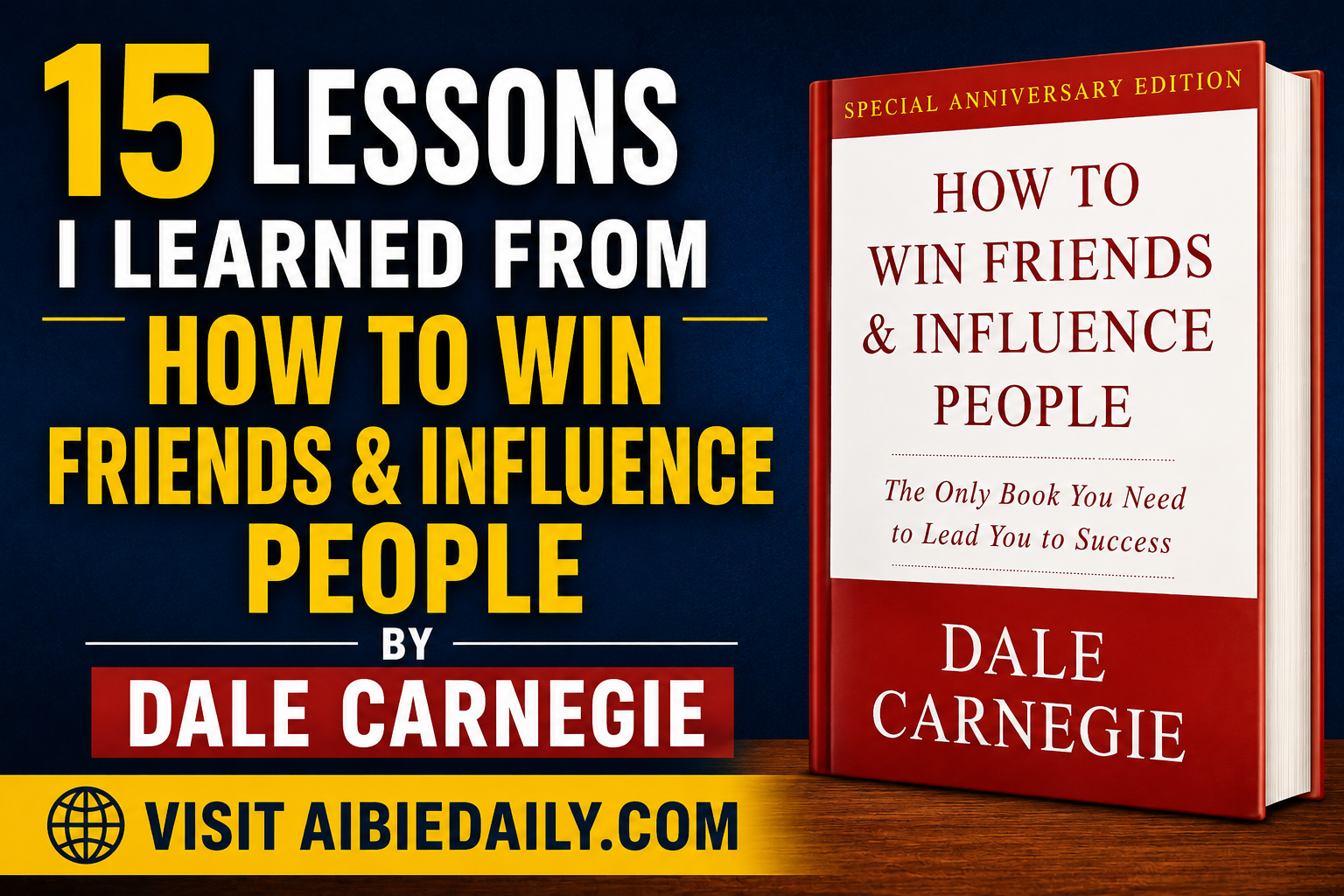
Few books have had as much influence on the way people build relationships and communicate as How to Win Friends and Influence People by Dale Carnegie. After reading this timeless classic, I realized that success in life is not determined only by intelligence or hard work but also by how we treat and relate to others. The practical lessons in this book challenged me to become a better listener, communicate with kindness, appreciate people sincerely, and understand different perspectives. In this article, I share 15 powerful lessons I learned from reading this remarkable book, lessons that can help anyone build stronger relationships, earn genuine respect, and positively influence the people around them.
1. Never Criticize, Condemn, or Complain
One of the most valuable lessons I learned from reading How to Win Friends and Influence People is that criticizing others rarely produces the positive change we hope for. Most people do not respond well to criticism because it makes them feel attacked, embarrassed, or defensive. Instead of admitting their mistakes, they often try to justify their actions or become resentful toward the person criticizing them. The author uses several real-life examples to show that even when criticism is justified, it usually damages relationships instead of improving them. This lesson made me realize that before pointing out someone else’s faults, I should first try to understand why they acted the way they did. Everyone has reasons behind their actions, and understanding those reasons is often more helpful than simply judging them.
I found this lesson especially practical because it applies to everyday life. For example, if a colleague submits poor work, immediately criticizing them in front of others may only lower their confidence and create tension. A better approach would be to speak with them privately, understand the challenges they faced, and offer helpful suggestions for improvement. The same principle applies in families, friendships, and even leadership. People are far more willing to change when they feel respected rather than attacked. After reading this chapter, I became more conscious of my own words and realized that patience, empathy, and understanding often achieve better results than constant criticism. It reminded me that building people up is far more rewarding than tearing them down.
2. Make People Feel Genuinely Important
Another lesson that left a lasting impression on me is that everyone has a natural desire to feel important. Regardless of a person’s age, profession, or social status, everyone appreciates being recognized, respected, and valued. The author explains that sincere appreciation is one of the most powerful ways to influence people positively. This does not mean offering fake compliments simply to gain favor. Instead, it means noticing the good qualities in others and expressing genuine gratitude for their efforts. Reading this chapter made me realize that many people go through life without hearing words of appreciation, even though a few sincere compliments can greatly improve their confidence and motivation.
I have also noticed how true this lesson is in everyday situations. Imagine a manager who regularly thanks employees for their hard work instead of focusing only on their mistakes. Such employees are usually more motivated, loyal, and willing to give their best. The same principle works within families. A husband who sincerely appreciates his wife for her support, or parents who recognize their children’s efforts instead of only correcting them, often build stronger and happier relationships. This lesson taught me that making people feel genuinely important costs nothing, yet it can have a lasting impact on their lives. Since reading the book, I have tried to appreciate people more often because I now understand that sincere recognition is one of the greatest gifts we can give to others.
3. Learn to See Things from Other People’s Perspective
One lesson that completely changed the way I approach relationships is the importance of seeing situations from another person’s point of view. Before reading this book, I often believed that my own perspective was the correct one. However, the author explains that every individual has unique experiences, emotions, and reasons for behaving the way they do. Instead of judging people too quickly, we should make an effort to understand what they may be thinking or feeling. This simple shift in mindset reduces unnecessary conflicts and helps us respond with patience rather than frustration. I realized that many disagreements happen not because people are bad, but because they see situations differently.
A practical example would be dealing with a customer who appears angry after receiving poor service. Instead of becoming defensive or arguing, taking a moment to understand the customer’s frustration can completely change the conversation. The same applies in friendships and family relationships. If a friend suddenly becomes distant, rather than assuming they no longer care, it may be better to consider that they could be dealing with personal challenges. This lesson reminded me that empathy is not a sign of weakness but a strength that helps build trust and lasting relationships. Since reading the book, I have tried to listen more carefully before forming conclusions, and I have found that many conflicts can be avoided simply by trying to understand the other person’s perspective first.
4. Become a Better Listener
One of the most practical lessons I learned from this book is that being a good listener is just as important as being a good speaker. Many people enjoy talking about themselves but pay very little attention when others are speaking. The author explains that people naturally appreciate those who listen sincerely because listening shows respect and genuine interest. This lesson made me realize that communication is not about waiting for my turn to speak but about truly understanding what the other person is trying to say. Good listeners ask thoughtful questions, maintain eye contact, and allow others to express themselves without unnecessary interruptions.
I have experienced the truth of this lesson in everyday conversations. For example, when a friend shares a personal problem, they may not always be looking for advice immediately. Sometimes they simply want someone who will listen without judging them or interrupting. The same applies in the workplace, where managers who listen carefully to employees often gain greater trust and cooperation than those who constantly give orders. After reading this chapter, I became more intentional about listening patiently and giving people my full attention during conversations. I discovered that people respond more positively when they feel heard and understood. This lesson showed me that becoming a better listener not only strengthens relationships but also helps us learn things we might have missed if we had spent all our time talking.
5. Show Genuine Interest in Other People
One of the warmest lessons I learned from How to Win Friends and Influence People is that building meaningful relationships begins with taking a sincere interest in others. The author explains that people are naturally drawn to those who care about their lives, opinions, and experiences. Genuine interest cannot be faked because people can usually tell the difference between someone who truly cares and someone who is only pretending to be friendly. This lesson encouraged me to move beyond talking only about myself and instead become more curious about the people around me. Asking thoughtful questions, remembering important details about someone’s life, and celebrating their achievements are simple ways of showing genuine interest.
I found this lesson particularly useful because it can improve both personal and professional relationships. For example, remembering a colleague’s birthday or asking a neighbor how their family is doing may seem like small gestures, but they make people feel valued and remembered. Likewise, when meeting someone for the first time, showing curiosity about their work, hobbies, or experiences often creates a stronger connection than trying to impress them with stories about yourself. Since reading this book, I have become more intentional about paying attention to others instead of focusing only on my own interests. I have discovered that genuine friendships are built not by trying to be the most interesting person in the room but by becoming genuinely interested in the people around you.
6. Smile More Often
One of the simplest yet most memorable lessons I learned from How to Win Friends and Influence People is the power of a genuine smile. Before reading this book, I never really thought much about how something as simple as smiling could influence the way people respond to me. The author explains that a sincere smile communicates warmth, kindness, and friendliness without saying a single word. It creates a positive first impression and immediately makes others feel more comfortable. Unlike forced or artificial smiles, a genuine smile comes from the heart and reflects a positive attitude toward others. This lesson reminded me that people are naturally drawn to those who make them feel welcome and appreciated. Sometimes a smile can achieve what long conversations cannot because it instantly breaks down barriers and creates a friendly atmosphere.
I have seen this lesson work in everyday life. For example, when entering a workplace, greeting colleagues with a warm smile often creates a pleasant environment before any words are exchanged. Likewise, customer service professionals who smile sincerely usually make customers feel more relaxed and valued, even when handling complaints. I also realized that smiling can positively influence my own mood. Whenever I approach people with a cheerful expression instead of a serious face, conversations become easier and more enjoyable. After reading this chapter, I became more intentional about smiling during my daily interactions, and I noticed that people responded more positively. This simple habit taught me that kindness often begins with a smile, and sometimes the smallest gestures leave the greatest impression.
7. Remember and Use People’s Names
Another lesson that stood out to me is the importance of remembering and using people’s names. The author explains that a person’s name is deeply connected to their identity and is one of the most meaningful words they hear throughout their life. Calling someone by their name shows that you recognize them as an individual rather than just another face in the crowd. Before reading this book, I often overlooked this small detail, but I now understand that remembering names demonstrates respect, attention, and genuine interest in others. It is a simple habit that can make conversations feel more personal and meaningful, whether in business, friendship, or everyday social interactions.
A practical example is meeting a new colleague at work or someone at a community event. Instead of forgetting their name immediately after the introduction, making an effort to remember and use it during the conversation helps create a stronger connection. Imagine visiting a local store where the owner greets you by your name each time you return. That simple gesture makes you feel recognized and appreciated, increasing the likelihood of building a lasting relationship. Since reading this lesson, I have made a conscious effort to remember people’s names and use them naturally during conversations. I have discovered that this small act often leaves a positive impression and makes people more open, friendly, and comfortable around me. It reminded me that showing respect sometimes begins with something as simple as remembering a person’s name.
8. Avoid Unnecessary Arguments
One of the most practical lessons I learned from How to Win Friends and Influence People is that winning an argument is not always the same as winning a person. Before reading this book, I sometimes believed that proving I was right was the most important thing in a disagreement. However, the author explains that arguments often damage relationships because people rarely change their opinions after being embarrassed or defeated. Instead of convincing them, constant arguing usually makes them more determined to defend their position. This lesson helped me realize that preserving a good relationship is often more valuable than proving a point. Respecting different opinions and choosing peaceful discussions over heated debates creates stronger and healthier relationships.
I found this lesson especially useful in everyday life. For example, during family discussions or workplace meetings, disagreements are inevitable. Instead of raising my voice or insisting that my opinion is the only correct one, I have learned to ask questions, listen carefully, and acknowledge the other person’s perspective. Even if we do not completely agree, the conversation remains respectful and productive. The same principle applies to discussions on social media, where many people waste time arguing without changing anyone’s mind. Since reading this chapter, I have become more selective about the arguments I engage in. I now understand that maintaining mutual respect and understanding often leads to better outcomes than trying to win every disagreement. This lesson has helped me become more patient and improved the quality of my relationships.
9. Admit Your Mistakes Quickly
Another lesson that had a significant impact on me is the importance of admitting mistakes honestly and without unnecessary delay. The author explains that everyone makes mistakes, but what separates wise people from others is their willingness to accept responsibility. Trying to defend obvious errors, make excuses, or blame someone else usually damages trust and credibility. On the other hand, admitting a mistake sincerely demonstrates honesty, humility, and maturity. This lesson challenged me to stop viewing mistakes as personal failures and instead see them as opportunities to learn and improve. I realized that people generally respect honesty far more than perfection because honesty reflects good character.
I have experienced situations where this lesson proved to be true. For instance, if I make an error at work and admit it immediately while offering a solution, my supervisor is more likely to appreciate my honesty than if I try to hide the mistake until it becomes a bigger problem. The same applies in friendships and family relationships. Saying, “I was wrong, and I’m sorry,” often resolves conflicts much faster than making excuses or refusing to accept responsibility. Since reading this chapter, I have become more willing to acknowledge my mistakes without fear. I have discovered that admitting mistakes does not make me appear weak; instead, it builds trust, earns respect, and strengthens my relationships with others.
10. Begin Conversations in a Friendly Way
One of the lessons I found most useful is that the way a conversation begins often determines how it will end. The author explains that approaching people with kindness, respect, and a positive attitude immediately creates a more welcoming atmosphere. Starting a discussion with anger, accusations, or harsh words usually causes the other person to become defensive before meaningful communication can even begin. This lesson taught me that even when discussing difficult issues, the tone I use is just as important as the message I want to communicate. A calm and friendly approach increases the chances that people will listen carefully and respond positively.
I have seen this principle work in many situations. For example, if a manager needs to correct an employee’s mistake, beginning the conversation by recognizing the employee’s efforts before discussing the problem often leads to better cooperation. Likewise, if a misunderstanding occurs between friends, starting with phrases like, “Can we talk about something that’s been bothering me?” is usually more effective than beginning with blame or accusations. Since reading this book, I have become more mindful of how I start conversations, especially when discussing sensitive topics. I have found that kindness at the beginning of a conversation often encourages openness, reduces tension, and makes it much easier to find solutions that satisfy everyone involved.
11. Let Others Feel That an Idea Is Theirs
One of the most eye-opening lessons I learned from How to Win Friends and Influence People is that people are far more committed to an idea when they believe they played a role in creating it. Before reading this book, I often thought the best way to convince someone was to explain my opinion clearly and persuade them to accept it. However, the author explains that people naturally resist being told what to do because they value their independence and enjoy making their own decisions. Instead of forcing our opinions on others, it is often more effective to ask thoughtful questions that guide them toward discovering the solution themselves. This lesson completely changed the way I approach conversations because I realized that influence is more about guidance than control.
A good example of this can be seen in the workplace. Instead of a manager saying, “This is exactly how we should solve this problem,” they might ask the team, “What approach do you think would work best?” As team members contribute ideas, they become more invested in the final decision because they feel they helped shape it. The same principle works in parenting. Rather than ordering a child to study, a parent can ask questions that help the child understand why studying is important. Since reading this lesson, I have become more intentional about asking questions instead of giving immediate instructions. I have discovered that when people arrive at a conclusion on their own, they are more enthusiastic about putting it into action. This approach not only improves cooperation but also strengthens mutual respect and trust.
12. Encourage Instead of Criticizing
Another lesson that deeply influenced me is the importance of encouraging people instead of constantly pointing out their weaknesses. The author explains that encouragement inspires people to improve because it builds confidence and gives them hope. In contrast, repeated criticism often discourages people and makes them doubt their abilities. Before reading this book, I sometimes believed that correcting every mistake would help people improve faster. However, I came to understand that people usually perform better when their strengths are recognized and their efforts are appreciated. Encouragement creates an environment where people feel safe to learn, grow, and try again after making mistakes.
I have seen this principle work in many different situations. For example, a teacher who praises a student’s effort before correcting mistakes often motivates that student to keep learning. On the other hand, a teacher who focuses only on failures may cause students to lose confidence and interest in the subject. The same applies in the workplace, where employees who receive encouragement are often more productive and willing to take initiative. Since reading this chapter, I have tried to notice the positive qualities in people before discussing areas that need improvement. I have learned that a few sincere words of encouragement can completely change someone’s attitude and inspire them to achieve more than they believed was possible. This lesson reminded me that people grow best when they are encouraged rather than constantly criticized.
13. Appeal to People’s Noble Motives
One lesson that I found both practical and inspiring is that people generally want to see themselves as honest, responsible, and kind. The author explains that when asking someone to do something, it is often more effective to appeal to these positive qualities rather than trying to pressure or manipulate them. Most people like to believe they are making decisions for good and honorable reasons. This lesson taught me that instead of focusing only on what I want, I should consider what values are important to the other person. By appealing to their sense of fairness, responsibility, or generosity, I am more likely to gain genuine cooperation than if I rely on force or persuasion alone.
A simple example is asking a colleague to help with an important project. Instead of saying, “You have to help because it’s your job,” it may be more effective to say, “I know you always care about delivering quality work, and your experience would really help us succeed.” This approach recognizes the person’s positive character and encourages them to act in a way that matches their values. The same principle applies in families, friendships, and community leadership. Since reading this lesson, I have become more thoughtful about how I make requests. I have found that people respond much more positively when they feel their integrity and good intentions are recognized and respected. This lesson showed me that lasting influence comes from appealing to the best in people rather than trying to control them.
14. Make Others Feel Important Through Appreciation
One of the lessons that stayed with me long after I finished the book is the importance of making people feel valued through sincere appreciation. The author repeatedly reminds readers that everyone wants to feel respected and recognized for who they are and what they contribute. Appreciation is not about offering empty compliments or saying nice things simply to gain favor. It is about genuinely noticing the efforts, talents, and positive qualities of others and expressing gratitude honestly. Reading this chapter made me realize that many people work hard every day without hearing a simple “thank you” or receiving recognition for their efforts. Such small acts of appreciation can have a profound effect on a person’s confidence and motivation.
I have observed this lesson in everyday life. A parent who thanks a child for helping with household chores encourages responsibility far more effectively than taking the effort for granted. Likewise, a supervisor who sincerely appreciates an employee’s dedication often creates a more motivated and loyal workforce. Even among friends, expressing gratitude for someone’s support strengthens the relationship and makes the other person feel valued. Since reading this book, I have tried to become more intentional about appreciating people for both their achievements and their everyday acts of kindness. I have learned that sincere appreciation costs nothing, yet it has the power to strengthen relationships, boost confidence, and create lasting goodwill. It is one of the simplest ways to make a positive difference in someone else’s life.
15. Success with People Is Built on Kindness, Respect, and Understanding
Perhaps the greatest lesson I learned from How to Win Friends and Influence People is that lasting success with people cannot be achieved through authority, pressure, or manipulation. The author consistently demonstrates that strong relationships are built on kindness, respect, empathy, and a genuine desire to understand others. Before reading this book, I sometimes assumed that influence came from having the strongest arguments or the highest position. However, the lessons throughout the book showed me that people willingly follow and cooperate with those who make them feel respected, understood, and appreciated. This completely changed the way I think about leadership and communication. True influence comes from earning trust, not demanding obedience.
This lesson applies to every area of life. A business leader who treats employees with dignity is more likely to earn loyalty than one who relies on fear. A parent who listens patiently and guides children with understanding often builds a closer relationship than one who rules through constant punishment. Even friendships become stronger when people consistently show kindness, forgive mistakes, and try to understand one another. After finishing this book, I realized that success is not measured only by wealth, titles, or achievements but also by the quality of the relationships we build. The kindness we show, the respect we give, and the understanding we offer often leave a deeper and more lasting impact than any position of authority. This lesson is one I believe will continue to guide my interactions with people for the rest of my life.
Share this content:

Related Posts













Post Comment