



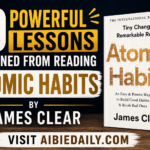

20 Powerful Lessons I Learned from Reading Atomic Habits by James Clear
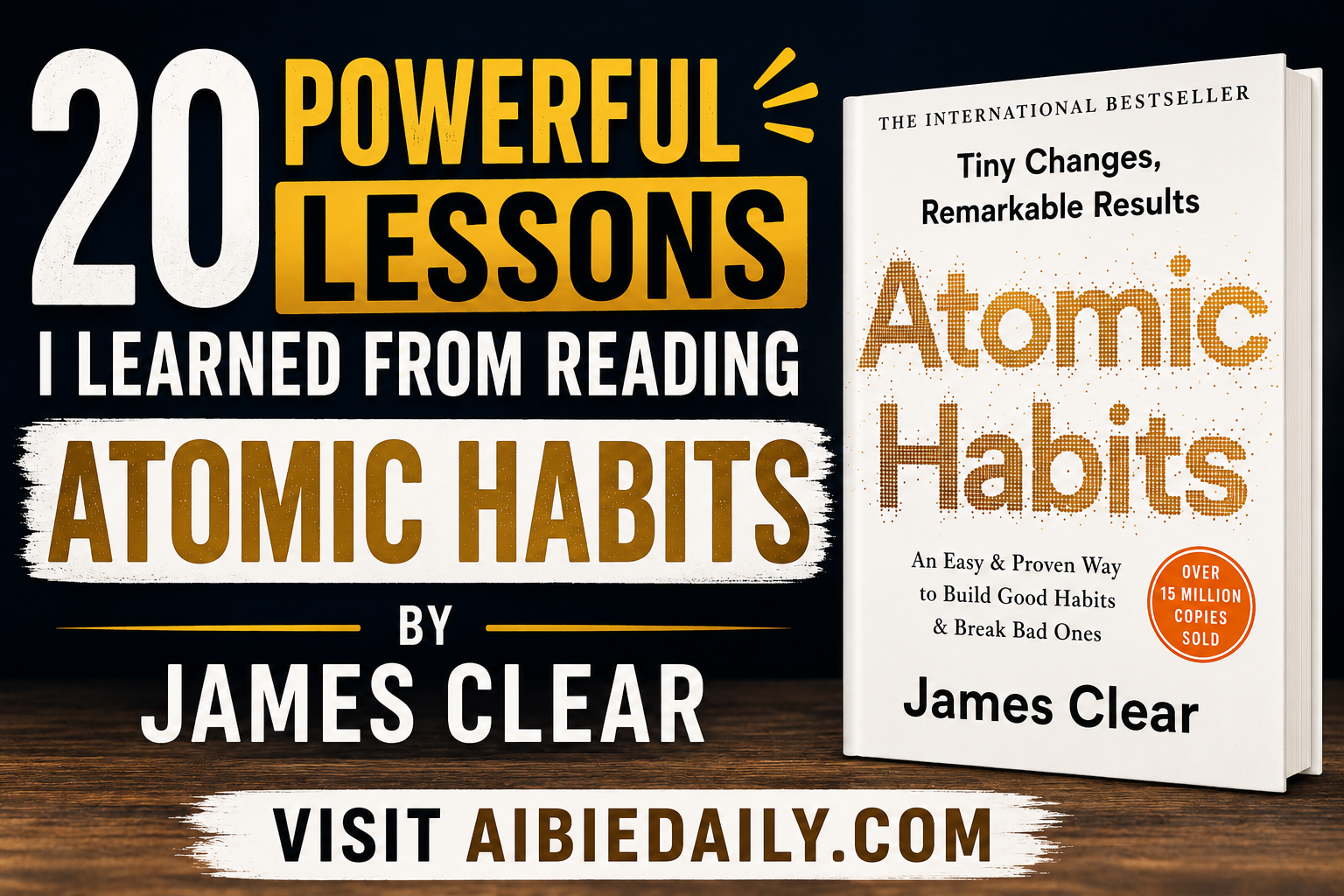
Reading Atomic Habits taught me that real success is not achieved through one big decision but through countless small actions repeated consistently over time. I learned that lasting personal growth comes from building effective systems instead of chasing goals alone, because goals provide direction while systems create progress. The book also showed me that changing my identity is the foundation of changing my habits, as every positive action is a vote for the person I want to become. I now understand that patience is essential because meaningful results often remain invisible until they reach a breakthrough point. Above all, I discovered that discipline, consistency, and continuous improvement are far more powerful than motivation, and that even the smallest daily habits can eventually transform every area of life.
1. Small Daily Improvements Produce Remarkable Long-Term Results
One of the biggest lessons I learned from this book is that success is not created by making huge changes overnight. Instead, it is built through small improvements that are repeated every single day. Even if a positive action seems too small to matter today, it becomes powerful when practiced consistently over weeks, months, and years. The author explains that just as a tiny seed eventually grows into a mighty tree, small daily habits gradually produce extraordinary results. This taught me that I should never underestimate the value of reading a few pages, exercising for a few minutes, or learning one new skill each day because these small actions eventually lead to significant personal growth.
2. Success Comes from Consistent Habits Rather Than Occasional Motivation
Another valuable lesson I learned is that motivation alone cannot guarantee success because it comes and goes. There will always be days when I do not feel inspired or energetic, but successful people continue taking action because they have developed good habits. The book showed me that consistency is more reliable than waiting for the perfect mood. By creating routines and following them every day, I can continue making progress even when I lack motivation. This lesson changed my understanding of success by showing me that discipline and consistency are far more important than temporary excitement.
3. Tiny Positive Actions Compound into Life-Changing Achievements Over Time
One lesson that stood out to me is that every small positive action adds up over time. The book compares good habits to compound interest, where small gains continue to build until they become something extraordinary. Reading one chapter daily, saving a little money regularly, or practicing a skill for a few minutes may seem insignificant at first, but these actions accumulate and eventually create remarkable achievements. This taught me that success is rarely the result of one big decision; instead, it is the outcome of many small decisions made consistently over a long period.
4. Patience Is Essential Because Meaningful Progress Is Often Delayed
One of the most encouraging lessons I learned is that progress is often invisible in the beginning. The author explains that people usually become discouraged because they expect immediate results, but meaningful improvement takes time. Just like an ice cube does not melt until the temperature reaches a certain point, our efforts may seem ineffective until they reach a breakthrough stage. This lesson reminded me to remain patient and continue working even when I cannot immediately see results. I now understand that every small effort is preparing me for future success, even if the rewards are delayed.
5. Effective Systems Are More Important Than Ambitious Goals
Another important lesson I learned is that having big goals is not enough if I do not have a good system for achieving them. Goals simply tell me where I want to go, but systems determine whether I will actually get there. The book explains that successful people focus more on improving their daily routines and processes than constantly thinking about their goals. This taught me that instead of only dreaming about success, I should build habits and systems that move me closer to my objectives every day. When the system is effective, good results naturally follow.
6. Lasting Change Begins with Changing Your Identity, Not Just Your Behavior
One of the most eye-opening lessons I learned from this book is that lasting change starts from within. Many people try to change only their actions without changing the way they see themselves. For example, someone may try to exercise because they want to lose weight, but they still think of themselves as a lazy person. The author explains that real transformation happens when we first change our identity. Instead of saying, “I want to exercise,” we should begin to see ourselves as someone who values health and fitness. Once our identity changes, our actions naturally follow. This lesson taught me that becoming the right kind of person is more important than simply trying to perform the right actions.
7. Every Habit Is a Vote for the Person You Want to Become
Another meaningful lesson I learned is that every action I take, no matter how small, shapes the kind of person I am becoming. Each time I read a book, I cast a vote for becoming a lifelong learner. Every time I exercise, I strengthen my identity as a healthy person. Likewise, every bad habit also reinforces a negative identity. The book helped me realize that I do not become successful through one major decision, but through the accumulation of small daily choices. This understanding encourages me to make better decisions every day because each one brings me closer to the person I want to become.
8. Good Habits Become Easier When They Align with Your Self-Image
One lesson that truly changed my perspective is that good habits become much easier to maintain when they match how I see myself. If I genuinely believe I am a disciplined person, studying regularly will feel natural rather than forced. If I see myself as a responsible individual, keeping promises and meeting deadlines becomes part of who I am. The author explains that people naturally behave in ways that are consistent with their identity. This taught me that instead of forcing myself to perform good habits, I should first develop a positive self-image because my actions will naturally follow my beliefs about myself.
9. Breaking Bad Habits Requires Replacing Them with Better Systems
One practical lesson I learned from this book is that simply trying to stop a bad habit is usually not enough. Bad habits often continue because the systems behind them remain unchanged. If I want lasting improvement, I must replace unhealthy routines with better ones instead of relying only on willpower. For example, if I want to stop wasting time on my phone, I should create a system that encourages reading, learning, or productive work during my free time. The book taught me that solving the root cause through better systems is far more effective than repeatedly fighting the same bad habit.
10. Consistency Is More Valuable Than Perfection
One of the most encouraging lessons I learned is that I do not need to be perfect in order to succeed. What matters most is showing up consistently and continuing to make progress, even after making mistakes. Missing one workout or one day of study does not determine my future, but giving up completely does. The author emphasizes that long-term success belongs to those who keep going rather than those who try to be perfect every day. This lesson reminded me that steady effort, repeated over time, produces far better results than occasional bursts of perfection followed by inconsistency.
11. Environment Plays a Major Role in Shaping Daily Habits
One important lesson I learned from this book is that our environment has a powerful influence on our daily habits. We often think that success or failure depends entirely on self-control, but the author explains that the people, places, and things around us greatly affect our behavior. For example, it is easier to develop a reading habit when books are within easy reach, just as it is harder to avoid unhealthy food when it is always available. This taught me that creating an environment that supports good habits makes positive behavior easier and bad habits more difficult. Instead of relying only on willpower, I should design my surroundings to encourage the kind of life I want to live.
12. Habits Are Formed Through Repetition, Not Willpower Alone
Another valuable lesson I learned is that habits are built by repeating the same action over and over again, not by depending on willpower. The book explains that every habit starts with conscious effort, but through repetition it gradually becomes automatic. This means that I do not need to feel motivated every day to build a good habit. What truly matters is practicing the behavior consistently until it becomes a natural part of my routine. This lesson reminded me that success is achieved by repeating the right actions consistently rather than waiting until I feel inspired to act.
13. Focusing on the Process Brings More Sustainable Success Than Focusing on Outcomes
One lesson that changed my way of thinking is that lasting success comes from paying attention to the process instead of becoming obsessed with the final result. Many people focus only on achieving a goal, but the author explains that goals only provide direction, while the daily process determines whether success will actually happen. By concentrating on improving my routines, learning every day, and following good systems, I can continue making progress regardless of how quickly results appear. This taught me that enjoying the journey and trusting the process is far more rewarding than constantly worrying about the destination.
14. Small Wins Build Confidence and Reinforce Positive Behavior
One encouraging lesson I learned is that every small achievement increases confidence and motivates further improvement. Completing a simple task, keeping a promise to myself, or maintaining a good habit for one day may seem insignificant, but each success proves that I am capable of doing more. As these small victories accumulate, they strengthen my belief in myself and make it easier to continue making positive choices. The book taught me that confidence is not something we are born with; it grows through repeated small successes that gradually become part of our daily lives.
15. Delayed Results Should Not Discourage Continuous Effort
One of the most inspiring lessons I learned from this book is that meaningful results often take time to appear. Many people become discouraged because they expect immediate rewards, but the author explains that progress usually happens beneath the surface before it becomes visible. Just as an ice cube does not melt until the temperature reaches a certain point, our efforts may seem ineffective until they eventually produce a breakthrough. This lesson taught me to remain patient, trust the process, and continue working even when I cannot immediately see the results. I now understand that every consistent effort is preparing me for future success, even if the rewards are delayed.
16. Success Is Built on Discipline Rather Than Fleeting Motivation
One of the greatest lessons I learned from this book is that success depends more on discipline than on motivation. Motivation can inspire us to start something, but it does not last forever. There will be days when we feel tired, discouraged, or simply unwilling to work toward our goals. The author explains that disciplined people continue taking action even when they do not feel motivated because they have built habits that keep them moving forward. This lesson taught me that relying on emotions is unreliable, but developing self-discipline and sticking to daily routines can lead to lasting success. I now understand that successful people achieve more because they keep going when others stop.
17. Positive Routines Reduce Stress by Making Good Decisions Automatic
Another valuable lesson I learned is that good routines make life easier by reducing the number of decisions I have to make every day. When positive habits become automatic, I no longer have to struggle with whether I should exercise, study, or complete important tasks because these actions become part of my daily routine. The book explains that habits allow the brain to save energy by turning repeated actions into automatic behaviors. This not only improves productivity but also reduces stress because less time is spent debating what to do next. I realized that creating positive routines can make life more organized, peaceful, and productive.
18. Every Action Strengthens Either a Good or Bad Identity
One lesson that made a lasting impression on me is that every action I take strengthens the kind of person I am becoming. Every positive habit reinforces a good identity, while every negative habit strengthens an undesirable one. For example, reading regularly strengthens my identity as a learner, while procrastinating reinforces the habit of avoiding responsibility. The author explains that every action is like casting a vote for the person I want to become. This taught me that even the smallest decisions matter because they gradually shape my character and determine the direction of my future.
19. Continuous Improvement Is More Important Than Instant Transformation
One of the most encouraging lessons I learned from this book is that lasting success does not require dramatic changes overnight. Instead, it comes from making small improvements every day and allowing them to grow over time. Many people become frustrated because they expect immediate transformation, but the author reminds us that meaningful progress happens gradually. By focusing on becoming slightly better each day, I can eventually achieve goals that once seemed impossible. This lesson taught me to appreciate steady progress and to understand that long-term improvement is far more valuable than chasing quick but temporary results.
20. Personal Growth Is Achieved Through Daily Commitment to Better Habits
The final lesson I learned from this book is that personal growth is not the result of luck or talent but of the habits we practice every day. Becoming a better person requires making positive choices consistently, even when the changes seem small or insignificant. Every day presents an opportunity to improve by reading, learning, exercising, or practicing kindness and discipline. Over time, these daily habits shape our character and transform our lives. This lesson inspired me to stop looking for shortcuts to success and instead commit myself to building better habits each day, knowing that they will eventually lead to lasting personal growth and a better future.
Share this content:

Related Posts














Post Comment