Skip to content
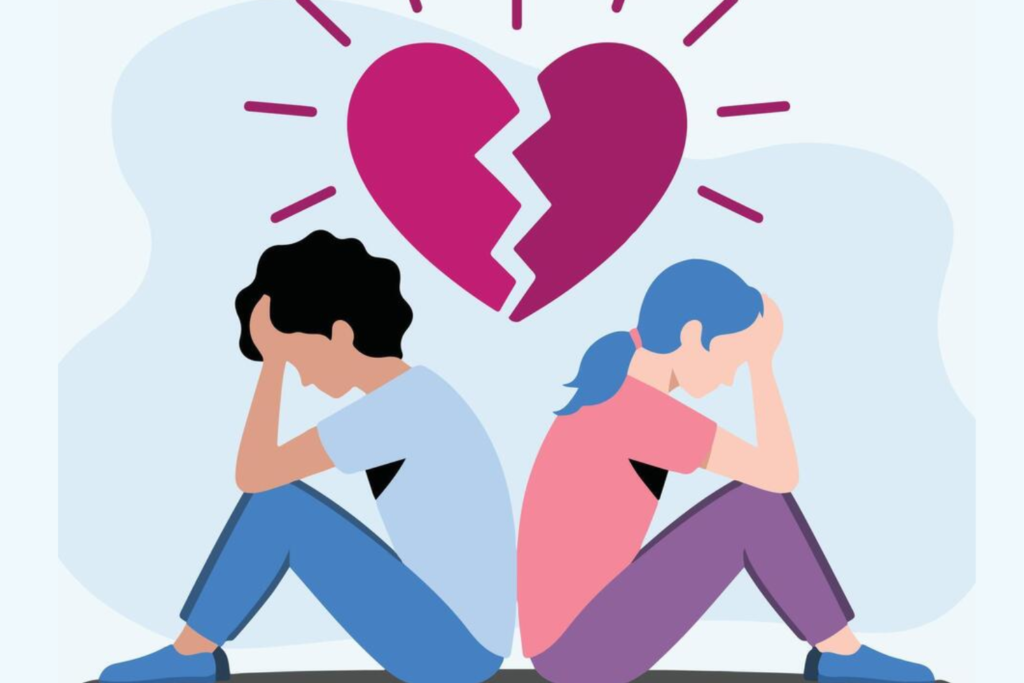
Relationships can bring deep happiness, support, and growth. Yet many relationships fail—not because love was absent, but because certain mistakes slowly weaken the connection between partners. Understanding these common pitfalls can help couples build stronger, healthier relationships.
Below are seven major mistakes that often lead to relationship breakdowns, along with real-life examples to illustrate how they happen.
1. Poor Communication
Communication is the backbone of every healthy relationship. When couples stop expressing their feelings clearly or avoid difficult conversations, misunderstandings begin to grow.
Example:
A partner feels neglected because their spouse works late frequently but never speaks about it. Instead of discussing their feelings, they become distant and resentful. Over time, the emotional gap widens.
How to avoid it:
- Speak openly about your feelings.
- Listen actively without interrupting.
- Address issues early before they escalate.
2. Taking Each Other for Granted
When relationships become routine, partners sometimes stop appreciating each other. Small gestures of love and gratitude disappear.
Example:
At the beginning of a relationship, one partner regularly expresses appreciation and affection. After years together, those gestures stop, and the other partner begins to feel unvalued.
How to avoid it:
- Say “thank you” for small things.
- Celebrate milestones and achievements.
- Continue showing affection.
3. Lack of Trust
Trust is the foundation of any strong relationship. Once trust is broken, it becomes difficult to rebuild the connection.
Example:
If one partner repeatedly hides information, lies, or behaves suspiciously, the other partner may begin to doubt everything they say.
How to avoid it:
- Be honest and transparent.
- Keep promises and commitments.
- Address trust issues immediately.
4. Poor Conflict Resolution
Arguments are normal in relationships. The problem arises when couples fight unfairly or never resolve their disagreements.

Example:
Instead of discussing a problem calmly, partners insult each other or bring up past mistakes during every argument. This creates emotional damage over time.
How to avoid it:
- Focus on solving the problem, not attacking the person.
- Avoid bringing up old issues repeatedly.
- Take a break if emotions get too heated.
5. Unrealistic Expectations
Some people enter relationships expecting their partner to fulfill every emotional need or behave perfectly.
Example:
A partner expects constant attention and becomes upset whenever their significant other spends time with friends or focuses on work.
How to avoid it:
- Accept that no one is perfect.
- Maintain personal interests and friendships.
- Support each other’s individual growth.
6. Lack of Emotional Support
A healthy relationship requires emotional support during difficult times. When partners feel unsupported, emotional distance can develop.
Example:
If someone loses their job or faces stress and their partner dismisses their feelings instead of offering comfort, it can lead to feelings of isolation.
How to avoid it:
- Be present during difficult moments.
- Offer empathy and encouragement.
- Show genuine concern for your partner’s struggles.
7. Neglecting the Relationship
Relationships require effort. When partners stop investing time and energy into their connection, the bond weakens.
Example:
A couple becomes so busy with work, social media, and daily responsibilities that they rarely spend quality time together anymore.
How to avoid it:
- Schedule regular time together.
- Plan activities you both enjoy.
- Keep the romance alive.
Most relationships do not fail overnight. Instead, they gradually break down due to repeated mistakes that go unaddressed. By recognizing these common issues and making conscious efforts to improve communication, trust, and emotional connection, couples can create stronger and more fulfilling relationships.
Healthy relationships require patience, understanding, and commitment—but the rewards are well worth the effort.