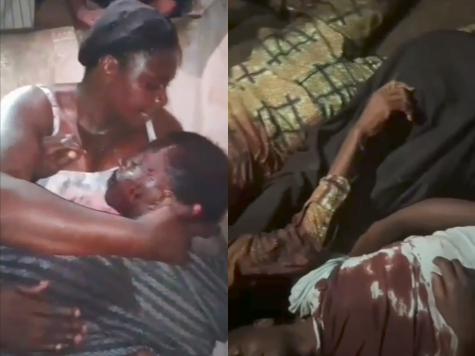
The Plateau State Government has enforced a 48-hour curfew in Jos North Local Government Area following a deadly overnight assault in the Angwan Rukuba axis of Jos.
Authorities said the restriction, which took immediate effect, will remain in place until the end of Tuesday as security agencies work to restore order after what officials described as a “tragic security incident” that left multiple people dead and several others injured.
In a statement, the administration led by Governor Caleb Mutfwang condemned the violence, calling it “barbaric and unprovoked.” The government assured residents that efforts were underway to track down those responsible and bring them to justice, while urging the public to remain calm and cooperate with law enforcement.
Casualties and Eyewitness Reports
While the state government has yet to confirm an official death toll, international media outlets, including Reuters and Agence France-Presse, cited local youth representatives who estimated that at least 30 people were killed.
Residents reported that heavily armed attackers stormed the Gari Ya Waye community within Angwan Rukuba, an area closely linked to the University of Jos, and opened fire indiscriminately. There were also reports of retaliatory mob actions in the aftermath of the assault.
In response to the deteriorating security situation, the university announced a temporary suspension of examinations for two days.
Governor Visits Scene
Governor Mutfwang confirmed he had visited the affected community, expressing solidarity with grieving families. “I met with victims’ relatives, listened to their grief, and shared in their pain,” the governor said in a statement, pledging that those behind the attack would face justice.
Ongoing Investigation
State officials said investigations are ongoing, with no confirmed arrests or identification of suspects at this stage.
Longstanding Tensions in Plateau
Plateau State has a history of recurring violence, often linked to clashes between predominantly Muslim Fulani herders and largely Christian farming communities. However, analysts note that beyond religious differences, factors such as land disputes, grazing access, population pressure, and climate change have played significant roles in fueling the crisis.
The latest attack comes amid renewed scrutiny of Nigeria’s security challenges. In 2025, former U.S. President Donald Trump reclassified Nigeria as a “country of particular concern,” citing alleged targeting of Christian communities—a claim the Nigerian government has strongly denied. Despite differing interpretations of the conflict, repeated incidents of mass killings, kidnappings, and attacks on rural communities have continued to draw both local and international attention.