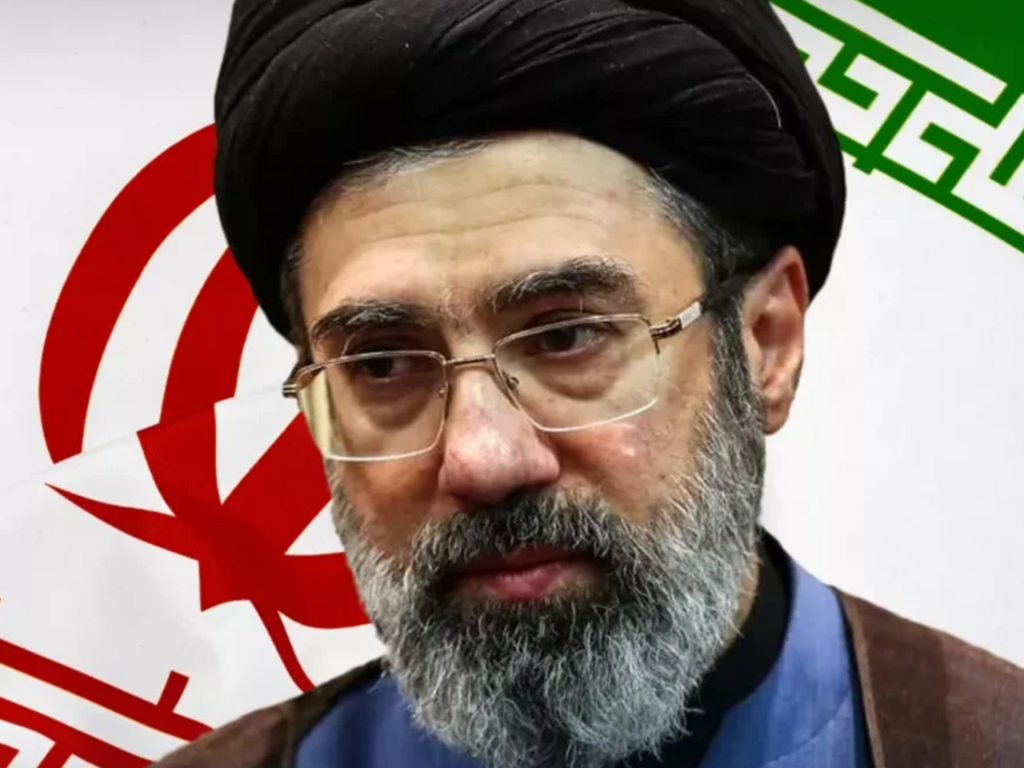
Iran’s state media have reported that Mojtaba Khamenei, the second son of the late Ali Khamenei, has been appointed as the country’s new Supreme Leader.
According to reports referenced by Al Jazeera, Iranian state outlets announced the leadership transition on Sunday, just days after the death of Ali Khamenei following reported missile strikes allegedly carried out by the United States and Israel.
The development comes amid heightened geopolitical tensions and follows earlier remarks by Donald Trump, who had suggested that the United States should play a role in the selection of Iran’s next top cleric.
With the appointment, Mojtaba Khamenei now assumes control of the most powerful position in the Iran political system. The Supreme Leader holds ultimate authority over the country’s armed forces, judiciary, and major state institutions, making the role the highest political and religious office in the Islamic Republic.
How Iran Selects a Supreme Leader
Under Iran’s constitution, the Supreme Leader is chosen by the Assembly of Experts, a council of senior Islamic scholars responsible for appointing and supervising the nation’s highest religious authority.
When the position becomes vacant due to death, resignation, or incapacity, the Assembly convenes to select a successor. Once appointed, the Supreme Leader becomes the ultimate decision-maker on key national matters such as defense strategy, foreign policy, and oversight of government operations.
Although there has been limited official confirmation from the Assembly of Experts, Iranian state-affiliated outlets have described Mojtaba Khamenei as the preferred candidate among influential clerics and political elites.
Legacy of Ali Khamenei
The late Ali Khamenei was one of the most influential figures in Iran’s modern history. Born in 1939 in Mashhad, he was a close ally of Ruhollah Khomeini, the cleric who led the Iranian Revolution.
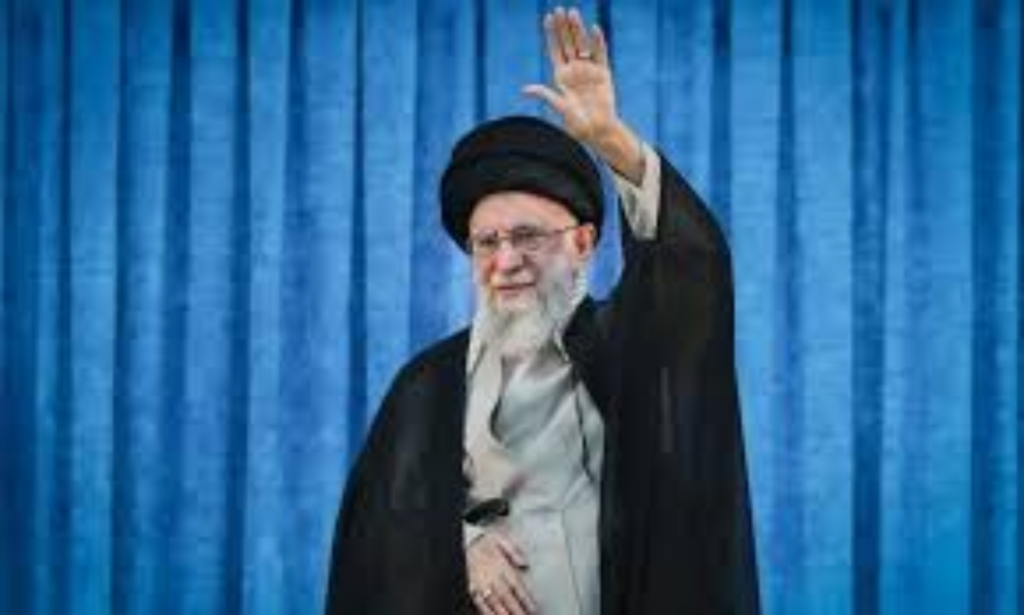
Following the revolution, Khamenei rose rapidly through the ranks of the newly established Islamic Republic. He served as Iran’s president from 1981 to 1989 before becoming Supreme Leader after the death of Ayatollah Khomeini.
During more than three decades in power, Khamenei shaped Iran’s political ideology, military strategy, and regional influence. His leadership was marked by persistent tensions with the United States and Israel, as well as internal debates over economic reforms and political freedoms within Iran.
Who Is Mojtaba Khamenei?
Mojtaba Khamenei, believed to be in his mid-50s, has long been viewed by analysts as a powerful figure behind the scenes of Iranian politics.
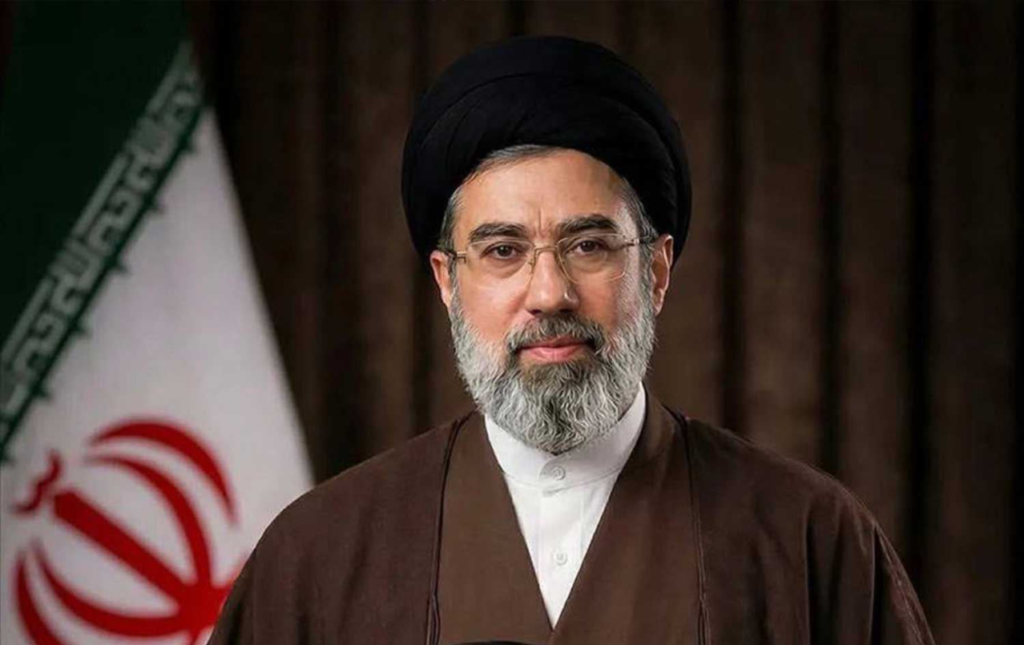
Although he has never held a major public office, he is widely believed to have significant influence through connections with religious institutions and Iran’s security establishment, particularly the Islamic Revolutionary Guard Corps.
A cleric by training, Mojtaba studied in religious seminaries in the holy city of Qom, a key hub of Shiite Islamic scholarship. Over the years, he has reportedly played an important role in shaping alliances within Iran’s conservative political factions.
His elevation to the role of Supreme Leader could significantly influence Iran’s domestic policies and international relations in the years ahead.
Rising Tensions Between Iran, the US and Israel
The leadership transition comes during one of the most volatile periods in the Middle East in recent years.
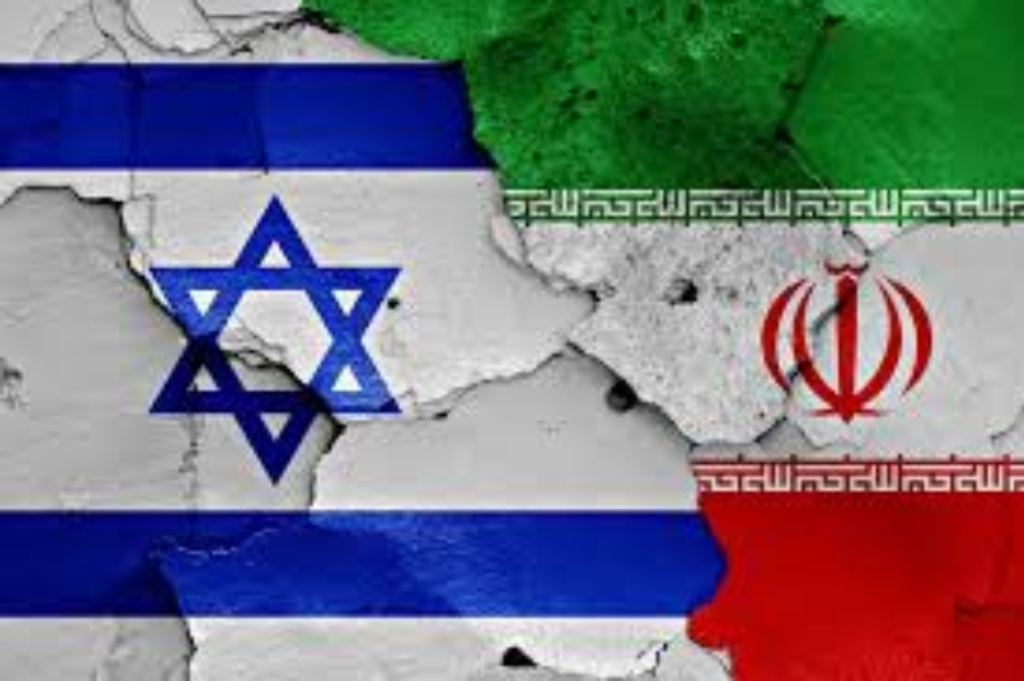
Relations between Iran, the United States, and Israel have remained strained since the 1979 Iranian Revolution, which overthrew the US-backed monarchy of Mohammad Reza Pahlavi.
However, the current conflict has escalated to unprecedented levels, with a series of military confrontations and retaliatory strikes raising fears of a broader regional war.
The crisis intensified further following reports of a joint strike by the United States and Israel that allegedly killed Iran’s Supreme Leader, Ali Khamenei, triggering the rapid leadership transition now placing Mojtaba Khamenei at the helm of the Islamic Republic.