US Airman Rescued in Daring Mission After F-15 Was Shot Down Over Iran
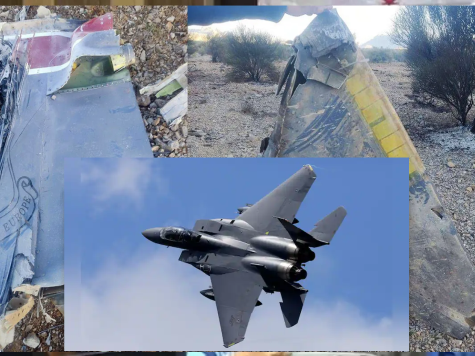
A U.S. airman has been successfully rescued following the reported downing of an American F-15E Strike Eagle over southern Iran, in what officials are describing as one of the most complex combat recovery missions in recent military history. President Donald Trump confirmed the rescue in a Sunday statement, saying the missing officer had been recovered during a high-risk combat search and rescue (CSAR) operation. According to the president, the officer was later transported to Kuwait for urgent medical care after suffering serious injuries. The aircraft was carrying two crew members when it was reportedly hit. Both ejected safely, but while one officer was rescued earlier, the second remained stranded behind enemy lines for more than 24 hours. Iranian officials said the aircraft was brought down by the country’s air defense network.
How the Rescue Mission Unfolded
According to emerging reports, U.S. military planners launched a large-scale CSAR mission immediately after losing contact with the missing officer. The operation reportedly involved dozens of special operations personnel, multiple fighter aircraft for air cover, intelligence surveillance assets, low-altitude rescue aircraft and helicopters and deception tactics to confuse enemy tracking. Military sources say the mission was executed deep in hostile mountainous terrain in southern Iran. Analysts believe the use of darkness significantly improved the success rate of the operation, as U.S. rescue teams are extensively trained for night infiltration and extraction.
How the Downed Officer Survived
Survival experts note that aircrew members flying combat aircraft are trained for exactly this type of emergency. After ejecting, the officer reportedly followed survival protocol by concealing parachute equipment, activating an emergency locator beacon, moving away from the ejection site, taking cover in elevated terrain and establishing secure communication with rescue teams. Reports suggest the officer remained hidden in mountainous terrain for over 24 hours and navigated along a ridge estimated at roughly 7,000 feet. His position was reportedly monitored continuously until special forces teams moved in for extraction.
CIA and Intelligence Support Reportedly Key to Rescue
Intelligence support appears to have played a major role in the successful mission. Reports indicate that U.S. intelligence agencies tracked the officer’s exact location and provided live coordinates to Pentagon rescue planners. A strategic deception campaign was also reportedly launched to spread misinformation suggesting the officer had already been extracted, reducing enemy focus on the actual rescue corridor. This intelligence-led approach may have been critical in preventing Iranian forces from reaching the location first.
Where the F-15 Was Shot Down
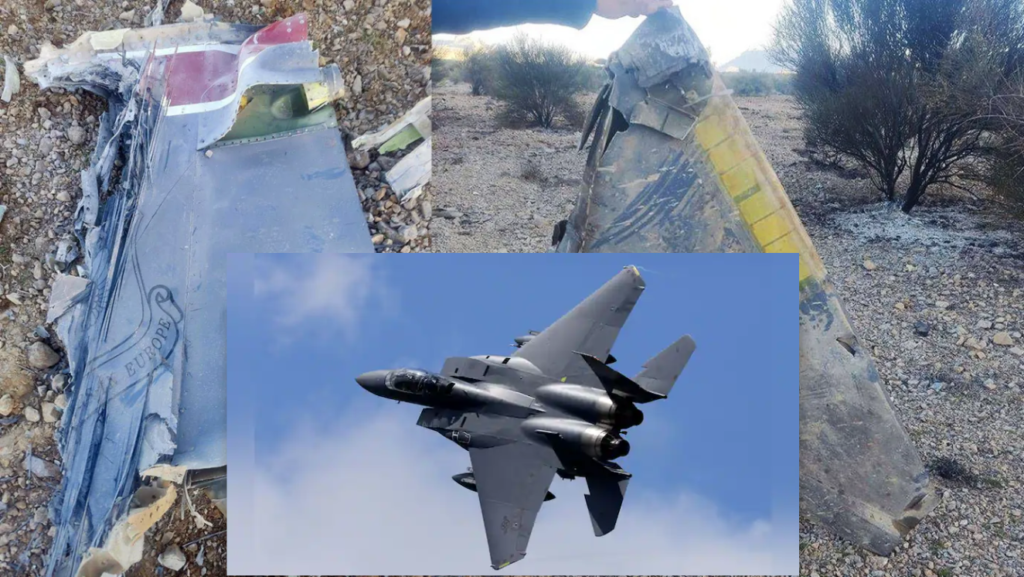
Iranian state-linked reports first claimed on Friday that the U.S. fighter jet was shot down in the country’s southern region. Possible locations mentioned in early reports include Kohgiluyeh and Boyer-Ahmad Province and Khuzestan Province. The exact crash site remains unverified. The pilot was reportedly rescued in a separate earlier mission, though that recovery also faced hostile fire.
What Was the F-15 Doing Over Iran?
The aircraft involved was identified as an F-15E Strike Eagle, a dual-role fighter designed for both defensive interception and precision strike missions. Possible mission objectives may have included. intercepting drones, tracking cruise missiles, precision bombing missions, close air support and battlefield target coordination. The second crew member, the Weapons Systems Officer (WSO), is responsible for selecting targets, managing guided munitions, and supporting mission execution. Defense experts believe the most likely cause of the aircraft’s loss was a surface-to-air missile (SAM) strike.
Why This Rescue Mission Matters
The successful recovery demonstrates the reach and sophistication of modern U.S. rescue doctrine. Combat search and rescue missions are among the most difficult military operations because they combine intelligence gathering, aviation coordination, special operations infiltration, battlefield deception and rapid casualty evacuation. The mission is already being viewed as a textbook example of high-risk personnel recovery under hostile conditions.
The rescue of the downed U.S. airman in Iran underscores the importance of elite survival training, real-time intelligence, and rapid special operations deployment. As additional official details emerge, the operation is likely to remain a major focus of military analysts, defense observers, and global security watchers.