
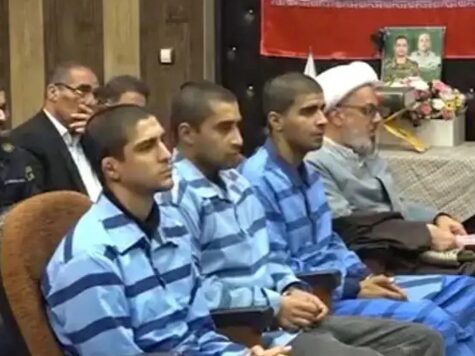
Authorities in Iran have carried out the execution of three men convicted over the killing of police officers during nationwide protests earlier this year, triggering renewed concern from international human rights organizations.
The executions, which took place on Thursday in Qom south of the capital Tehran, mark the first officially confirmed death sentences linked directly to the wave of demonstrations that swept across the country in January.
Allegations of Unfair Trials and Torture
According to Iran’s judiciary, the men—Mehdi Ghasemi, Saleh Mohammadi, and Saeed Davoudi—were convicted of moharebeh, a capital offense under Islamic law that translates to “waging war against God.” Officials accused them of involvement in the deaths of two police officers and of collaborating with foreign adversaries, including the United States and Israel.
However, rights organizations strongly dispute the legitimacy of the convictions. Groups such as Amnesty International and Iran Human Rights say the defendants were denied due process, lacked access to independent legal representation, and were coerced into confessing under torture.
Particular attention has focused on Saleh Mohammadi, who had recently turned 19 and had previously competed in international wrestling events. Activists claim his trial was rushed and failed to meet even basic legal standards.
Rising Concerns Amid Ongoing Conflict
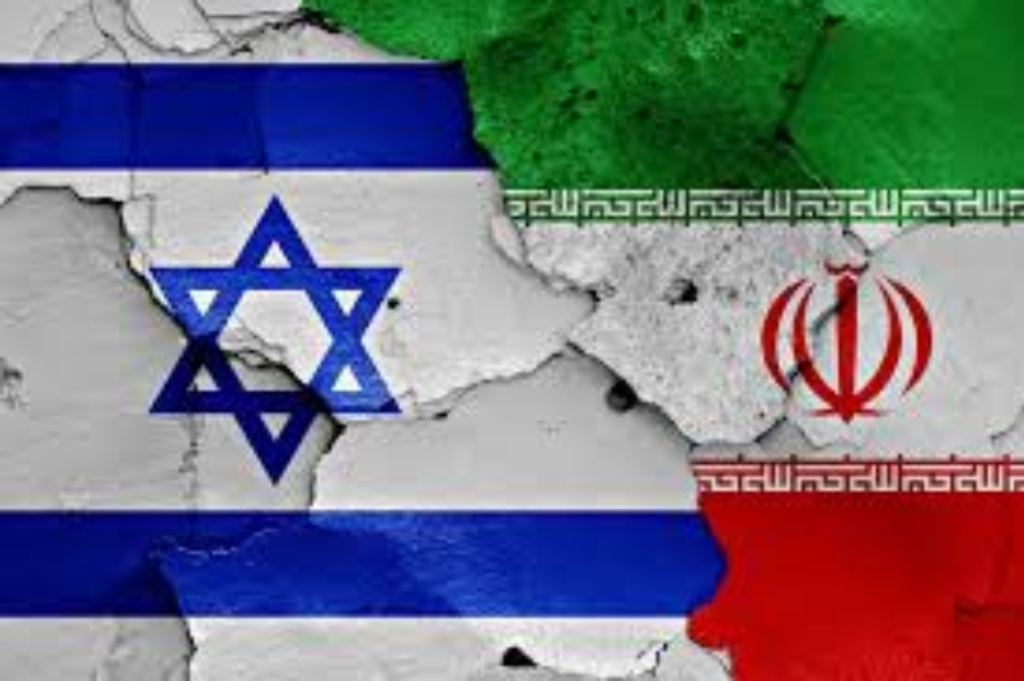
The executions come against the backdrop of heightened tensions and ongoing military conflict involving Israel and the United States. Advocacy groups warn that the current climate could lead to an increase in politically motivated executions.
“We are deeply concerned about a potential wave of mass executions targeting protesters and political detainees,” Iran Human Rights said in a statement, suggesting that such actions may be intended to deter further unrest.
Broader Crackdown on Protests
The protests, which began in late December over economic hardship, quickly evolved into widespread anti-government demonstrations. Security forces responded with force, leading to thousands of reported deaths, according to independent monitors.
While Iranian authorities maintain that the unrest was fueled by foreign interference and “terrorist activity,” watchdog groups argue that the majority of those killed were civilians participating in protests.
Data from the US-based Human Rights Activists News Agency indicates that over 7,000 people may have died during the crackdown, though official figures released by Tehran place the toll at over 3,000, including security personnel.
Death Penalty Under Scrutiny
Iran remains one of the world’s leading users of capital punishment, second only to China, according to rights groups. Reports suggest that hundreds of detainees connected to recent protests could still face charges carrying the death penalty.
Judiciary chief Gholamhossein Mohseni Ejei has signaled a hardline stance, warning that individuals accused of violent acts during the unrest should expect no leniency.
As tensions persist both domestically and internationally, observers fear that the latest executions could signal a broader campaign of repression in the months ahead.

Thi