Skip to content

Iran Intelligence Chief Esmail Khatib Killed in Israeli Airstrike, President Confirms
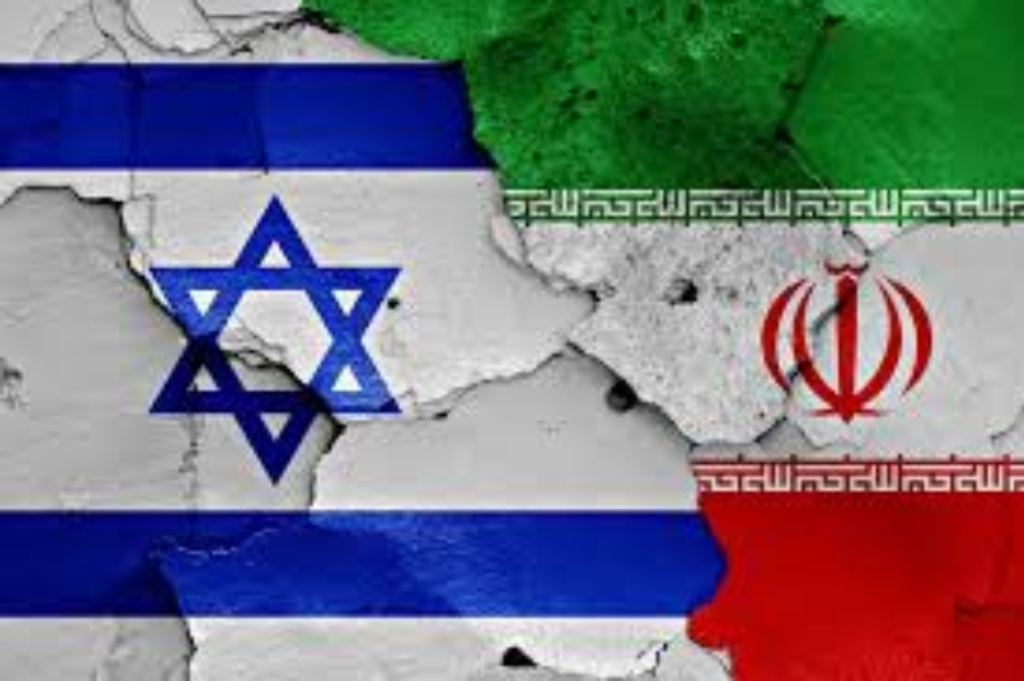
Iran has confirmed the death of its intelligence minister, Esmail Khatib, following an Israeli airstrike, marking another major blow to the country’s senior leadership amid the ongoing regional conflict.
President Masoud Pezeshkian described the killing as a “cowardly assassination,” stating that the nation is in mourning. His remarks came shortly after Israeli officials announced that Khatib had been targeted and killed in a strike on Tehran on Wednesday.
Escalating Losses Among Iran’s Top Officials
Khatib’s death comes just days after Israel claimed responsibility for killing senior Iranian figures, including Ali Larijani and Gholamreza Soleimani. The series of high-profile assassinations follows the earlier killing of Supreme Leader Ali Khamenei at the onset of the war on February 28.
The targeted strikes are widely seen as part of a coordinated effort by Israel, with backing from the United States, to dismantle Iran’s political and military leadership structure.
In a message shared on X, President Pezeshkian extended condolences to the Iranian public, expressing confidence that those killed would be succeeded by individuals who would continue their mission with greater resolve.
Israeli Position and Military Strategy
Israel’s Defence Minister, Israel Katz, confirmed that Khatib was killed in a precision strike in Tehran. He stated that both he and Prime Minister Benjamin Netanyahu had authorized the military to target senior Iranian officials once operational intelligence is verified, without requiring further approval.
The Israel Defense Forces (IDF) accused Iran’s intelligence ministry of playing a central role in internal repression and alleged terrorist operations. According to the military, Khatib was directly involved in actions against protesters during recent unrest in Iran.
Background and Career of Esmail Khatib
Appointed in 2021 under former president Ebrahim Raisi, Khatib held a powerful position within Iran’s security framework. He had longstanding ties to the country’s religious and political elite, having studied Islamic jurisprudence under senior clerics, including Ali Khamenei.
Before becoming intelligence minister, he served in multiple senior roles within the intelligence apparatus and the Office of the Supreme Leader. In 2022, the U.S. Treasury imposed sanctions on him over allegations of cyber operations targeting the United States and its allies.
Public Reaction and Ongoing Conflict
Reactions within Iran have been mixed. Some citizens, speaking anonymously, suggested that the removal of key figures in the security establishment could reduce the intensity of crackdowns on protests, though many acknowledged that replacements would likely be appointed quickly.
Meanwhile, large crowds gathered in Tehran for the funerals of Larijani, Soleimani, and dozens of Iranian sailors reportedly killed earlier this month after a U.S. naval strike near Sri Lanka.
Rising Casualties and Regional Impact
The conflict has resulted in significant casualties. Iranian authorities report that more than 1,300 people have been killed in Israeli and U.S. strikes, including hundreds of women and children. Independent estimates from the Human Rights Activists News Agency suggest even higher figures, with thousands of civilian and military deaths recorded since the war began.
Iran has responded with retaliatory strikes across the region. On Wednesday alone, attacks were reported in Israel and multiple Gulf countries, including United Arab Emirates, Qatar, Kuwait, Iraq, Bahrain, and Saudi Arabia.
Global Economic Concerns Beyond the immediate conflict zone, the war is beginning to affect global markets. Oil prices have surged amid disruptions in supply routes, particularly following the effective closure of the Strait of Hormuz, a critical channel for international energy shipments.