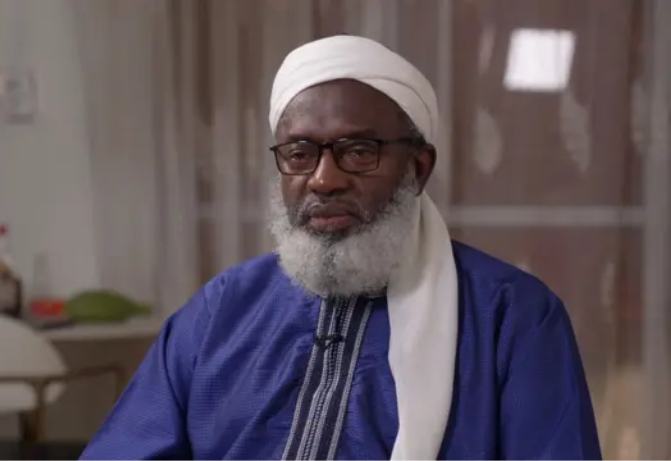

A senior U.S. counter terrorism figure, Joe Kent, has stepped down from his position, voicing strong objections to the ongoing U.S.-backed Israeli military campaign against Iran.
In a resignation letter submitted on Tuesday, Kent expressed his inability to support the war, arguing that it does not serve the interests of the American people. He also reflected on the personal cost of prolonged military engagements, referencing the loss of his wife, Chief Petty Officer Shannon Kent, who died in a 2019 suicide bombing in Syria.
Shannon Kent, 35, was a Navy linguist assigned to Cryptologic Warfare Activity 66, a unit that works closely with the National Security Agency and supports special operations forces. At the time of her death, she was deployed in support of counterterrorism operations.
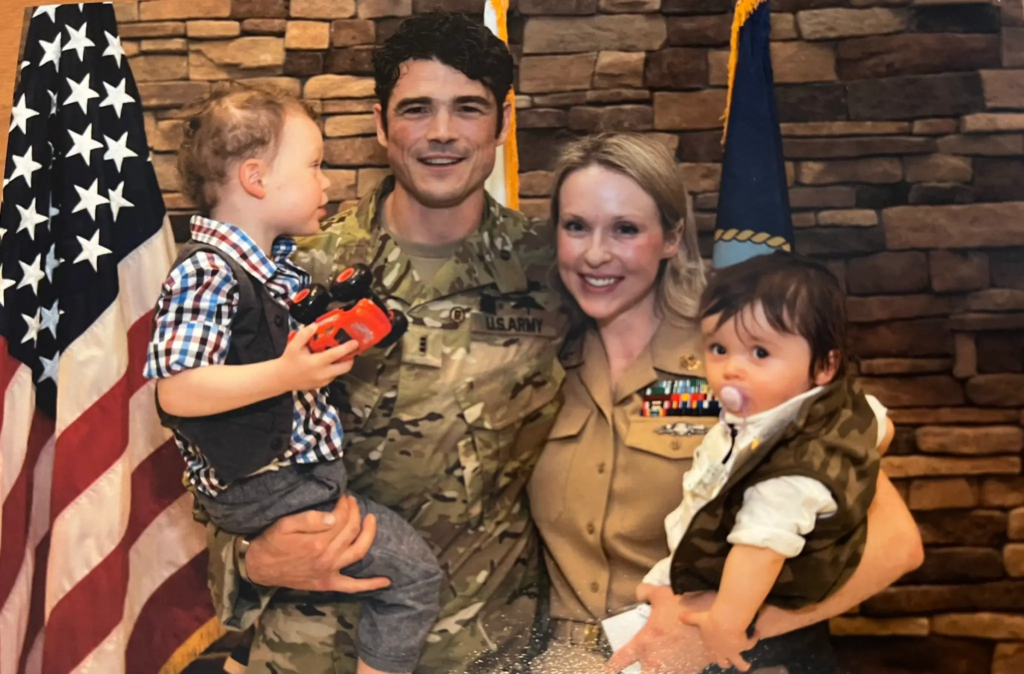
Joe Kent, a retired Army Special Forces officer, once shared the story of how they first met during a 2007 deployment in Baghdad. Their initial encounter lasted only a few minutes in a military intelligence hub known as “Baghdad Ville,” where she was delivering a briefing on an Iranian militant target. Although brief, the meeting left a lasting impression, though they would not cross paths again for several years due to the fast-moving nature of wartime assignments.
Originally from New York, Shannon joined the Navy following the September 11, 2001 attacks. Gifted in languages, she taught herself Spanish and French before being formally trained in Iraqi Arabic in Monterey, California. Her linguistic expertise later became a critical asset in special operations missions, allowing her to engage with local populations—particularly women—in ways that male operatives often could not.
Her career included working alongside SEAL teams and qualifying for highly selective reconnaissance and intelligence units. She also developed expertise in human intelligence operations, recruiting and managing sources for U.S. intelligence efforts.
The couple reconnected years after their first meeting while undergoing a rigorous selection process for a classified unit. According to Kent, their bond formed quickly, and they became inseparable. They later married after completing the training program and built a family together while balancing demanding military careers.
Following the birth of their children, the family settled near Annapolis, Maryland. Despite taking time to focus on family life, Shannon returned to active deployment in late 2018, traveling to Syria while still contributing to critical intelligence work tied to the NSA.
On January 16, 2019, she was killed in a suicide attack while meeting a source at a restaurant in Manbij, Syria. The attack also claimed the lives of three other Americans. She was later posthumously promoted to Senior Chief.
Kent has publicly questioned the circumstances surrounding her deployment, suggesting that delays in implementing troop withdrawal orders at the time may have contributed to the continued presence of U.S. personnel in the region.
In his resignation letter, Kent also criticized what he described as external influence on U.S. foreign policy decisions, particularly regarding Israel. His remarks have drawn backlash from some lawmakers, who labeled them controversial and accused him of promoting conspiracy-driven narratives.
Despite the criticism, Kent maintained that his decision to resign was rooted in principle. He stated that he could not support sending more Americans into a conflict he believes lacks clear justification or benefit to the nation.
Colleagues and former associates have remembered Shannon Kent as a dedicated professional whose communication skills and empathy made her especially effective in intelligence gathering. Her ability to conduct “tactical questioning” during missions helped bridge gaps between U.S. forces and local communities.
Her legacy, Kent noted in past interviews, was defined by her commitment, courage, and willingness to serve in some of the most challenging environments.