Skip to content
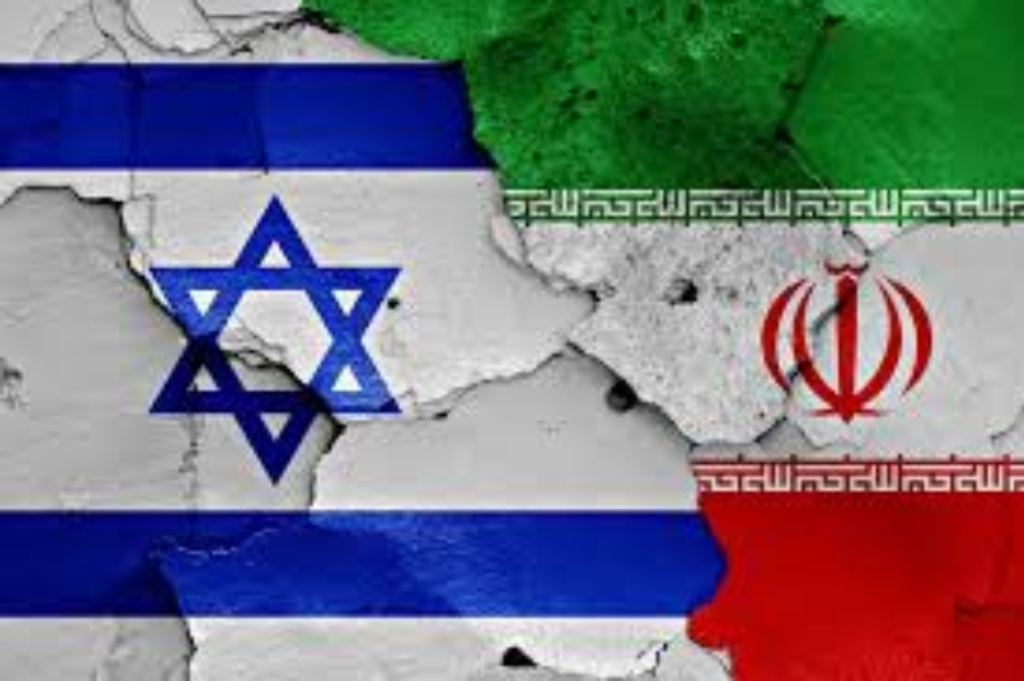
In a major escalation of Middle East tensions, the United States and Israel launched coordinated military strikes against Iran on February 28, 2026, in what both governments described as a pre-emptive operation against perceived strategic threats. The unprecedented offensive, reportedly dubbed Operation Lion’s Roar, triggered explosions across Tehran and other Iranian cities and drew a swift and forceful response from Tehran, dramatically widening the conflict.
Early Saturday morning, airstrikes and missile barrages struck multiple targets inside Iran, including military installations, air defence systems, and key infrastructure. Iranian media reported explosions in the capital city of Tehran and other regions, with smoke rising over urban centres shortly after the assault began.
Officials from both nations stated the offensive was the result of months of joint planning. Israeli authorities framed the operation as a necessary step to counter what they describe as an “existential threat” posed by Iran’s expanding missile and nuclear capabilities, although diplomatic efforts were ongoing up to the moment of the attack.
Among the most devastating reported incidents was an airstrike on the Shajareh Tayyebeh all-girls primary school in Minab, southern Iran, around 10:45 a.m. local time. Iranian authorities reported that at least 85 schoolgirls were killed and dozens more injured in the strike—an event widely condemned as a tragic blow to civilians and described by Iranian officials as a “savage, inhumane act.”
Across the country, Iran’s Red Crescent reported hundreds of additional civilian casualties and injuries, with rescue efforts underway amid chaos and destruction.
Iran’s government swiftly condemned the attacks as violations of international law. In retaliation, Iranian forces launched missiles and drones toward Israel and military bases hosting U.S. personnel in several neighbouring states, including Qatar, the United Arab Emirates, Kuwait, Bahrain, and other Gulf host nations.
Explosions were reportedly heard across the Middle East as a result of Tehran’s counter-strikes, and multiple countries closed their airspace to civilian flights in response to the intensifying conflict.
World leaders expressed deep concern over the rapid escalation. The governments of France, Germany and United Kingdom issued joint calls for a negotiated settlement and emphasized the protection of civilian lives, although they did not participate in the strikes.
Meanwhile, Russia denounced the attacks as “unprovoked acts of armed aggression” against a sovereign nation, warning of severe humanitarian and geopolitical consequences.
Analysts say the joint military strikes represent one of the most significant escalations between the U.S., Israel, and Iran in decades. While long-standing tensions over Iran’s nuclear ambitions and ballistic missile programmes have fuelled periodic confrontations, the scale and coordination of this attack have raised global concerns about a broader and prolonged conflict.
The situation remains highly fluid, with diplomatic efforts and international pressure intensifying as nations call for restraint and negotiations to prevent further suffering and instability.